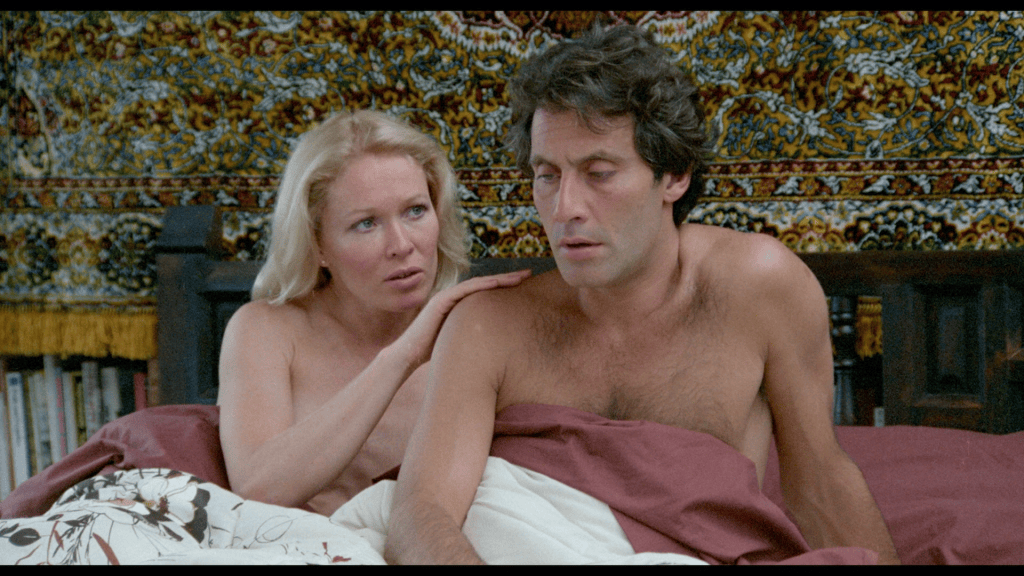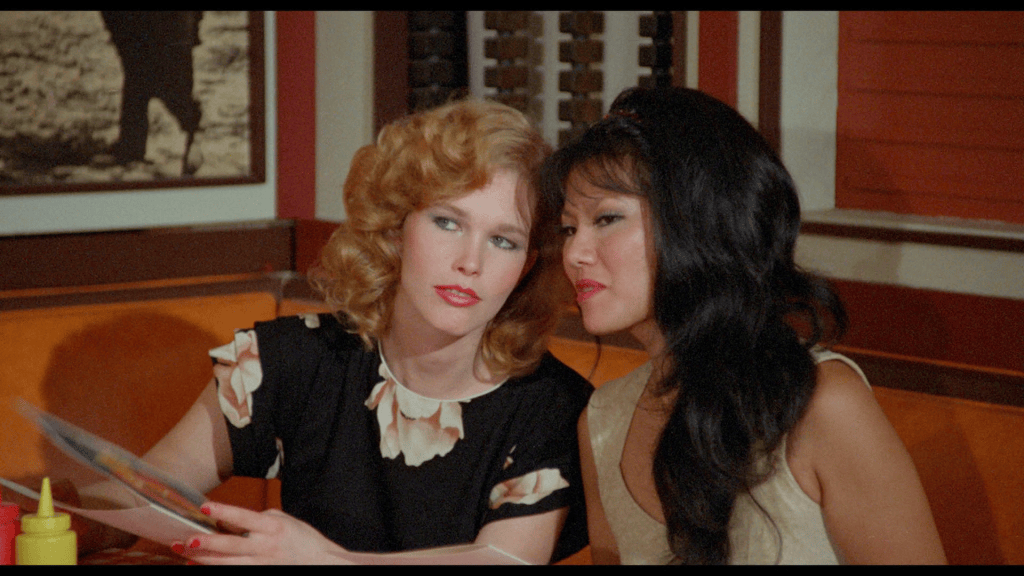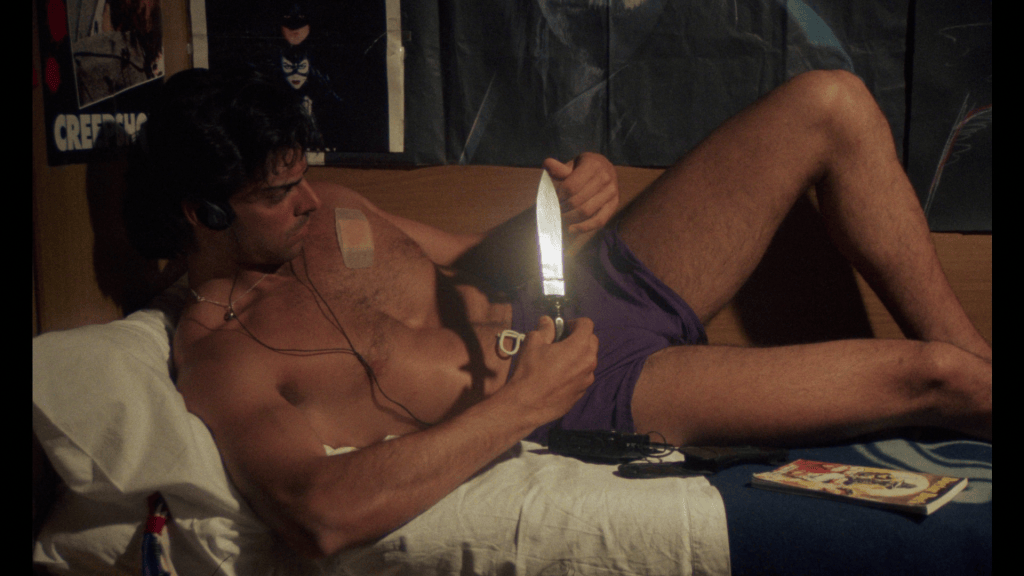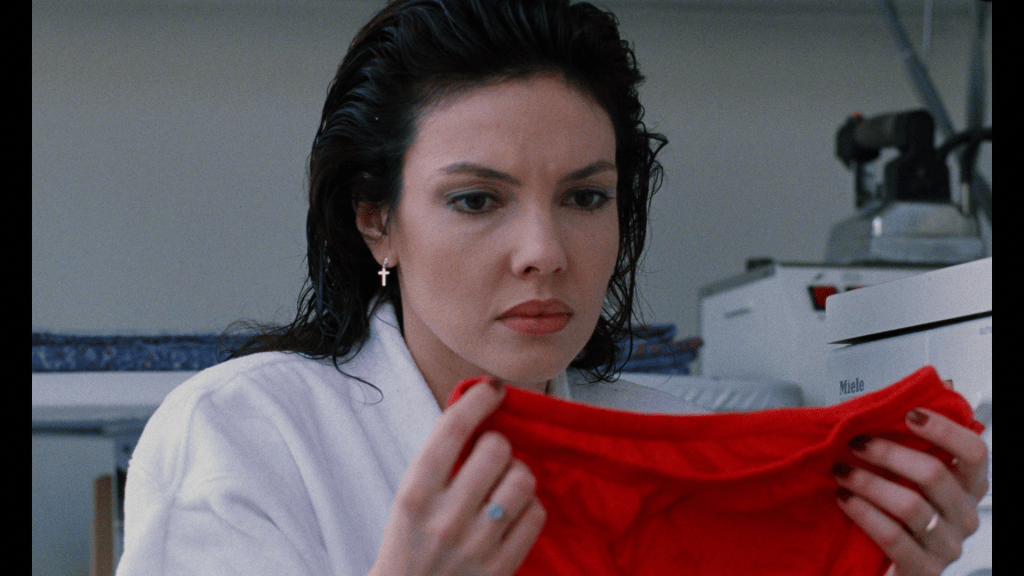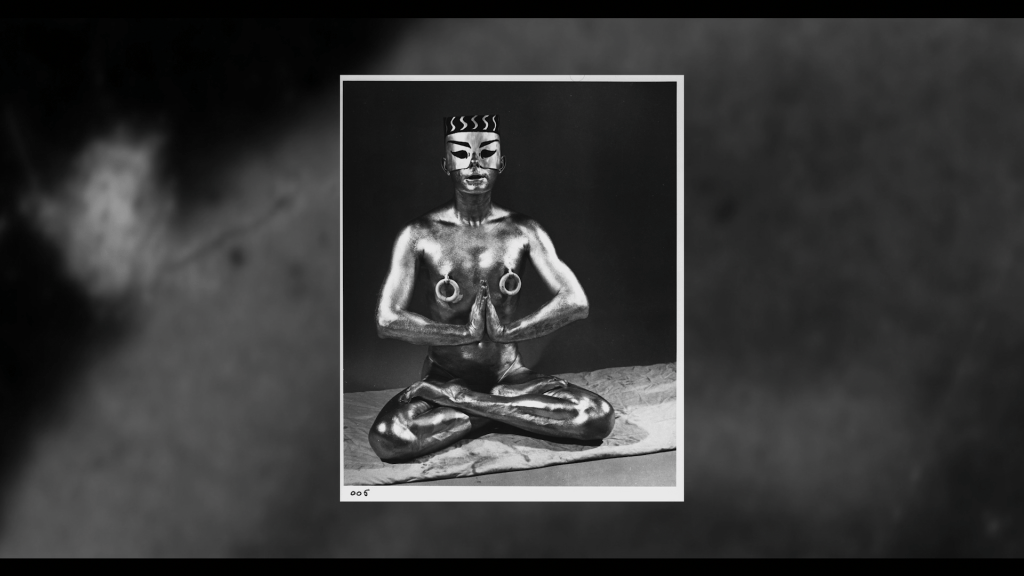
Look, up in the sky! It’s a bird, it’s a plane! It’s a man dressed in gold speeding around the sky in a beam of light! After 1978’s “Superman” managed to deliver a truly epic take on the comic book superhero, also scoring big at the box office, copycats were sure to follow. One of the more bizarre riffs on the Richard Donner film is 1982’s “Descendant of the Sun,” with the Shaw Brothers trying to transform the American blockbuster into a tale of Chinese folklore. The production attempts to mirror the saga of Kal-El and his heroic destiny, going the wuxia route with director Chu Yuan, who strives to deliver a spirited take on action/fantasy cinema, keeping the endeavor loaded with violent encounters and special effects as good takes on evil for control of a kingdom. Read the rest at Blu-ray.com
“Don’t Be Afraid of the Dark” originally aired as an “ABC Movie of the Week” in 1973, presented as an evening with something scary for the Halloween season. It was a quickie endeavor, beginning production just over a month before it was presented to the public, but it apparently left a lasting mark on viewers, continuing to do so through the power of syndication. Much like “Bad Ronald” and “Trilogy of Terror,” “Don’t Be Afraid of the Dark” is a genre effort that’s managed to capture the imagination of many, with its offering of the creeps managing to sustain the picture’s reputation for decades, even inspiring a 2011 remake from producer/co-writer Guillermo del Toro. One certainly can’t challenge the simple pleasures of T.V. terror, and while the offering is far from commanding, director John Newland manages to summon some appealing weirdness with a tiny budget and extremely limited production time. Read the rest at Blu-ray.com
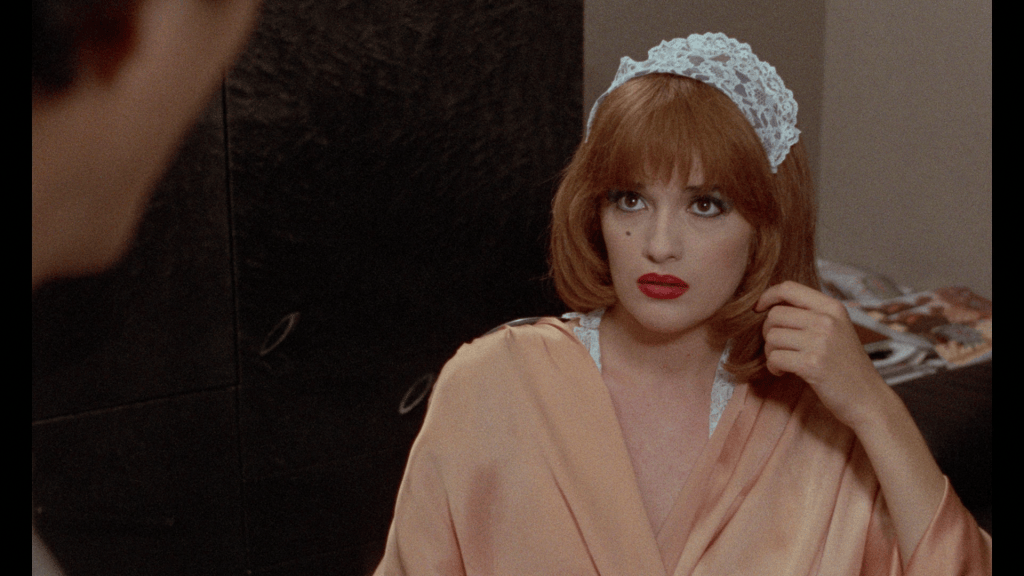
For 1998’s “The Phantom of the Opera,” director Dario Argento sets out to find the horror and dark romance of the story, also co-scripting the endeavor, putting his own spin on Gaston Leroux’s 1910 tale of obsession. What Argento actually ends up with is something of a mess, with a clear line between creative intent and budgetary reality. “The Phantom of the Opera” means to be erotic and sincere, but the production often veers into extreme horror and slapstick comedy shake up the viewing experience, and Argento shows very little control over the frightfully uneven, unpolished movie. The helmer hopes to deliver an overwhelming viewing experience of sight and sound, only to end up with one of his most disappointing films. Read the rest at Blu-ray.com
1999’s “Terror Firmer” is an adaptation of the book, “All I Need to Know About Filmmaking I Learned from The Toxic Avenger,” written by Troma Entertainment honcho Lloyd Kaufman and James Gunn. Trying to dramatize the real-life hellacious experience of making movies, Kaufman hopes to bring his expertise to the screen, doing so with Troma’s usual offering of bodily fluids, gore, nudity, slapstick comedy, and an aging punk attitude. “Terror Firmer” could’ve been a rascally endeavor poking fun at the Troma process and the torture of low-budget filmmaking, but Kaufman isn’t in a self-reflective mood. Instead of B-movie illumination, Kaufman simply makes the same kind of Troma feature all over again, getting aggressive with gross-outs and volcanic overacting, returning to his ringmaster role for a cinematic circus that feels endless. Read the rest at Blu-ray.com
Writer/director Osgood Perkins is working fast these days, and perhaps for good reason. He scored a major hit in 2024’s “Longlegs,” blessed with a slick marketing campaign to bring big screen chills to the summer season. The feature worked for some viewers, and Perkins was right back at it in 2025’s “The Monkey,” reviving his love of slow-burn creepiness in a Stephen King adaptation that worked for, well, less viewers. Perkins isn’t wasting any time once again, returning with his second release of 2025 in “Keeper,” which continues his career obsessions with macabre imagery, screen stillness, and shock value, only he’s really in no hurry to offer much of anything this time around. “Keeper” is a small picture, sticking mainly to one location, and it’s not effective as a chiller, finding the helmer essentially repeating himself with another glacially paced nightmare. Read the rest at Blu-ray.com
Director’s Jonathan Demme’s career was headed in the wrong direction during the 1980s. The troubled production of 1984’s “Swing Shift” seems to slow down his Hollywood momentum, and general audience disinterest in 1986’s “Something Wild” didn’t help the cause. Endeavoring to make something spirited, Demme found success with 1988’s “Married to the Mob,” and for good reason, as the picture is a wonderful collection of comedy, oddity, and threat sold in a distinctly Demme-ian manner. While it contains moments of sudden violence, “Married to the Mob” remains light and quite funny, supported by excellent, engaged work from the cast and screenwriting that delivers an engrossing story of rising tensions with mafia interests. It’s the first step in Demme’s rise to industry supremacy (albeit a short reign), and arguably one of his best films. Read the rest at Blu-ray.com
Action fans craving a hit of sustained suspense might be thoroughly underwhelmed by “Hunting Season.” There are a few blasts of violence along the way, but screenwriter Adam Hampton isn’t fully interested in going the one-man-army route with this story of a father trying to protect his teen daughter from the evils of the world around them. Instead of consistent carnage, Hampton tries to manufacture a study of parental love and isolation, getting somewhere with the fatherly elements of the tale. “Hunting Season” is an odd one, as a portion of it works on a dramatic scale, and there’s a surprising amount of viciousness in the picture, giving it some snap. But there’s hideous overacting as well, and director Raja Collins (“Crescent City”) doesn’t have command of pacing, leaving the offering uneven, but with promising moments. Read the rest at Blu-ray.com
Co-writers Carson and Erik Bloomquist aren’t trying to reinvent the wheel with “She Came from the Woods,” presenting a horror film set at a summer camp, which is a location repeatedly used in the genre. What they want to do with the great outdoors is make a slightly cheeky chiller about an evil presence on the property, hoping to have some bloody fun with this mildly exaggerated take on terror entertainment. And it works, mostly, with the screenplay noticeably hustling when it comes to introducing characters and a spooky history to decode, and there’s enough physical activity to give the endeavor some more animated sequences. “She Came from the Woods” is capably handled by director Erik Bloomquist, who pays tribute to the history of nightmare cinema while also hoping to contribute to it, coming up with an engaging romp involving malevolent spirits and family strife. Read the rest at Blu-ray.com
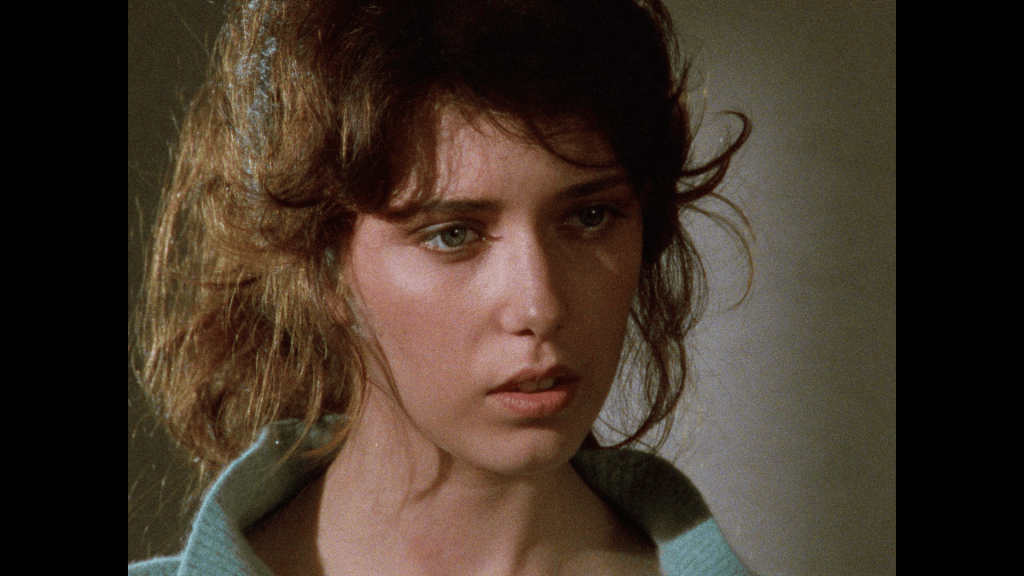
After taking a creative hit with 1993’s “Trauma,” writer/director Dario Argento hopes to reconnect with his interest in psychological torment in 1996’s “The Stendahl Syndrome.” It’s not a grand change of pace for the helmer, who reunites with previous collaborators, including his daughter, star Asia Argento. What’s slightly different here is use of more creative interests, with the screenplay trying to work with an alleged condition that finds people overwhelmed when surrounded by art. It’s a fine starter pistol for truly twisted behavior, and “The Stendhal Syndrome” gets some of the way there with its macabre depictions of an obsessed killer. The picture has technical highlights and a few effective sequences of danger, but Argento certainly isn’t pushing himself with the feature, which goes on for too long and offers little excitement. Read the rest at Blu-ray.com
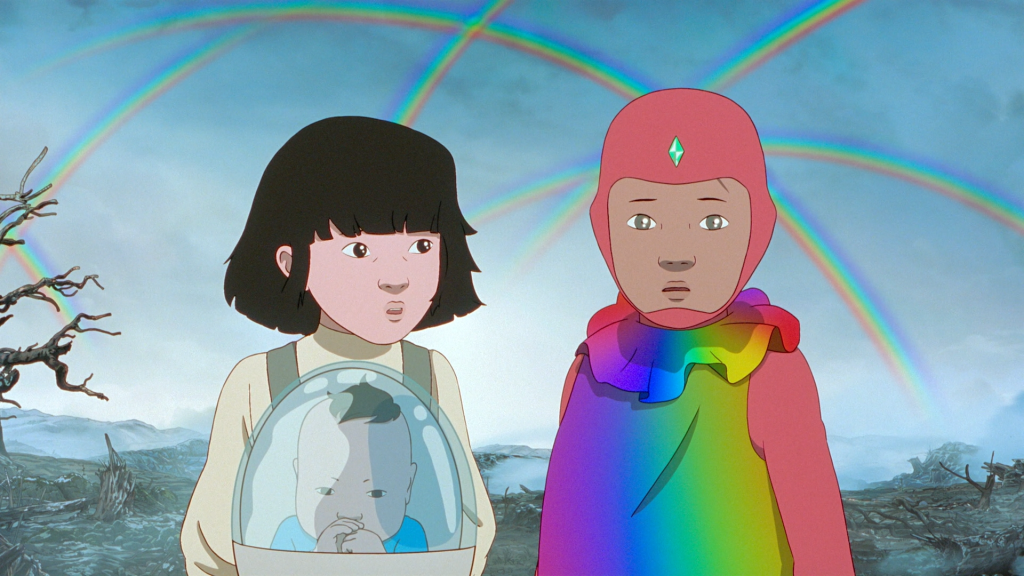
Hey, they tried. Inhaling the four winds of alternative scene power in the mid-1990s, the producers of 1995’s “Tank Girl” had a vision to bring a spunky comic book series to the big screen. They loaded it up with attitude, visual mischief, and an alt-rock soundtrack, putting in a considerable effort to make sure the literary world translated to film. There are impressive technical achievements in the movie, which retains some scale and makeup wizardry. However, sitting through “Tank Girl” is another story, as director Rachael Talalay (“Freddy’s Dead: The Final Nightmare,” “Ghost in the Machine”) fails to make this visit to a post-apocalyptic world anything but annoying, unwilling to corral star Lori Petty’s insufferable performance as the eponymous wiseacre. Editing is not a friend to the endeavor, with the feature working extremely hard to sell the main character as a delight. Perhaps she was on the page, but the cinematic version is difficult to endure. Read the rest at Blu-ray.com
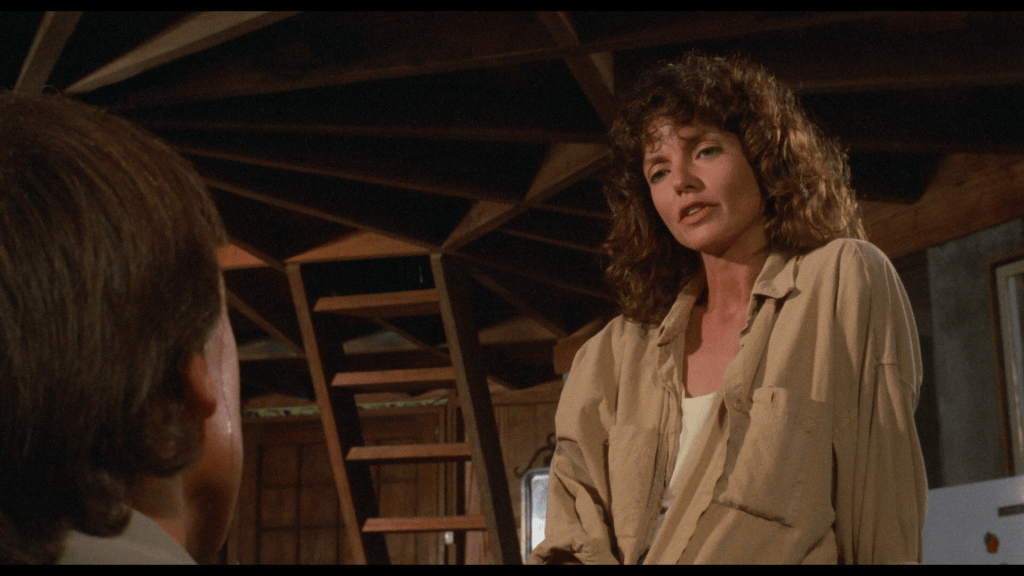
Eager to join the horror cinema gold rush of the late-1970s, co-writer/director James Makichuk tries his luck with absolute fright in 1982’s “Ghostkeeper,” only he forgets to bring absolute fright. The endeavor (co-scripted by Doug MacLeod) intends to explore madness and monsters, doing so around a Canadian lodge located in the middle of nowhere. It’s the stuff of suspense and mystery, but “Ghostkeeper” doesn’t contain any tension, with Makichuk clearly struggling to manage the basics in genre entertainment. There’s a wintry location and some mysterious happenings going on around a seemingly deserted building, but the film just sits around for the most part, showing little enthusiasm for delivering chills, while the story simply never arrives. Read the rest at Blu-ray.com
On the hunt for new terrors to exploit, producers turn to the horrors of the Yeti to inspire a B-movie experience that’s much like other B-movie experiences. 1954’s “The Snow Creature” is a family affair, with director W. Lee Wilder (older brother to Billy Wilder) and his son, screenwriter Myles Wilder, aiming to utilize an exotic Himalayan setting to launch an examination of exploration and hunting, sold with all the excitement of watching paint dry. “The Snow Creature” is a quickie production with an iffy central figure of menace, while the Wilders aren’t all that interested in generating excitement with the offering. The film does have a few moments of conflict involving a beast in a loose-fitting costume, but the rest of the effort is mostly asleep. Read the rest at Blu-ray.com
1990’s “House Party” is the directorial debut for Reginald Hudlin, and he also handles scripting duties, adapting his 1983 short film. And what an amazing first movie it is, with Hudlin turning a traditional teen mischief idea into a celebration of character, comedy, and dancing, becoming the rare study of adolescent antics that achieves a joyful quality. The helmer oversees a gifted cast of young talent and creates a boisterous mood of celebration and camaraderie, sold with attention to wackiness and lustfulness that makes the feature all the more fun. “House Party” maintains amazing screen energy and playfulness, which aids Hudlin as he deals with issues of the day and inspects culture in a major way, creating one of the best pictures of its release year. Read the rest at Blu-ray.com
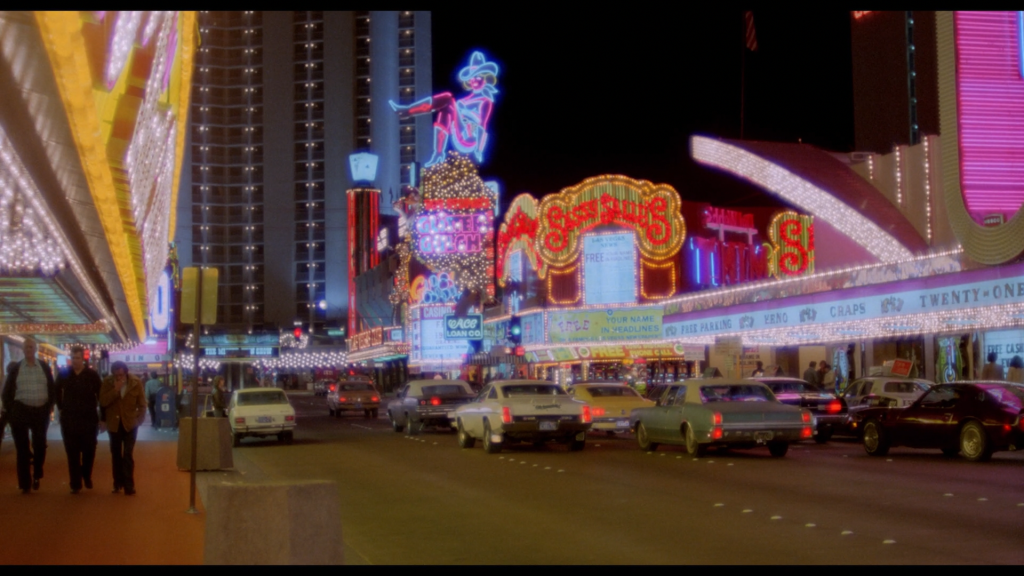
“New Rose Hotel” began life as a short story from author William Gibson, originally created for Omni Magazine in 1984. The tale tracked the experiences of two corporate espionage agents handling their latest case, and Gibson offered nine pages of drama and technology to follow. Nine pages. Co-writer/director Abel Ferrara attempts to find 90 minutes of movie in those nine pages, working with co-writer Chris Zois to embellish and amplify Gibson’s small idea. “New Rose Hotel” certainly plays like an adaptation nightmare, watching the production furiously taffy pull everything the author had to offer to keep going, while Ferrara often gives up on storytelling all together, adding scenes of arguing, improvisation, and sex to supply something for viewers to sit down with. The endeavor is an extraordinary test of patience, following Ferrara’s attempt to turn a study of corporate rule into cinematic jazz, and all the instruments are out of tune. Read the rest at Blu-ray.com
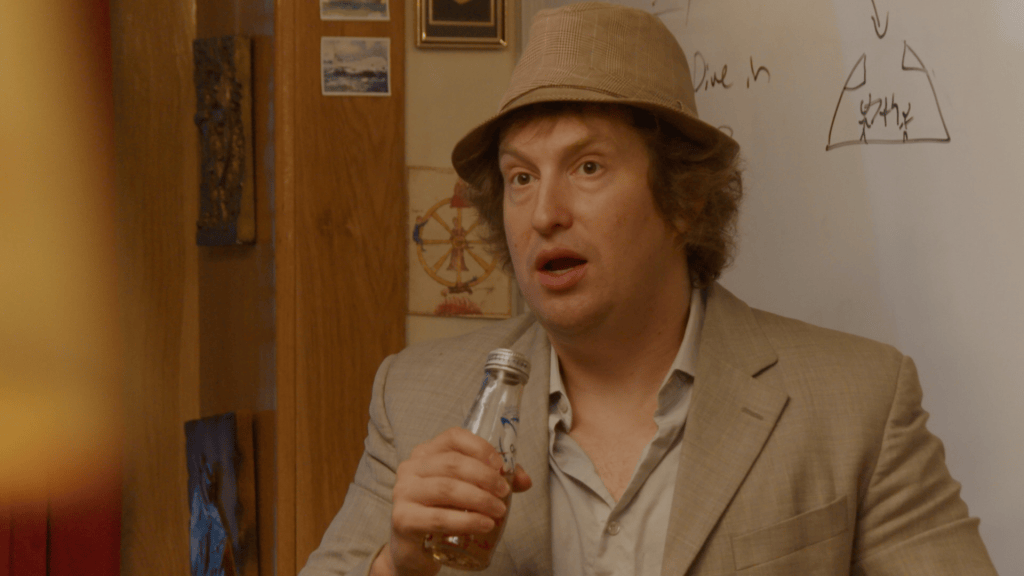
As the famous line of dialogue from “The Wizard of Oz” goes, “There’s no place like home.” That is, unless your dwelling also appeared in a popular movie or television show, resulting in a mass of gawkers and tourists looking to stand by your front door, run around the backyard, and peek inside your windows. Suddenly, the place begins to feel like a prison. Director Tommy Avallone looks into the realities of such living spaces in “The House From…” (narrated by Jason Lee), endeavoring to understand the popularity of these locations and the experiences shared from the homeowners, who are left to deal with so much, often without fully understanding why they’ve been drafted into duty as a pop culture gatekeeper. Avallone plays the feature brightly but also fairly, examining both sides of the tourism situation, visiting numerous properties who’ve either submitted to the ways of fandom or thrown up gates to keep trespassers out. “The House From…” is extremely fun for the most part, as Avallone maintains a snappy pace and sense of humor about the subject, also acquiring access to locations most fanatics could only dream of visiting. Read the rest at Blu-ray.com
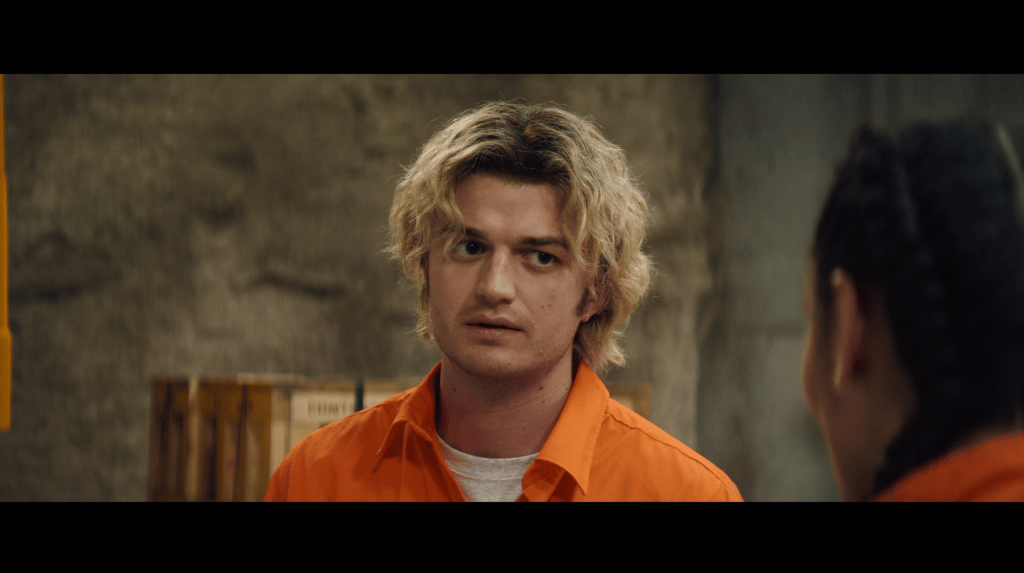
The film industry has been trying to turn actor Joel Kinnaman into an action star over the last decade, and nothing’s really taken hold. His last major starring effort was 2023’s “Silent Night,” a John Woo-directed offering of gunplay and explosions that played to empty theaters, but the system isn’t done with Kinnaman yet. He returns to the ways of screen survival in “Icefall,” which is kinda, sorta similar to the plot of 1993’s “Cliffhanger,” but screenwriters George Mahaffey and Steve Isles don’t have the budget to create an epic understanding of criminal activity and high-flying adventure. They simply take the missing cases of money idea and try to create a more reasonably priced actioner featuring a hunt for cash in the cold extremes of Montana. “Icefall” has the ingredients to be junky fun, but director Stefan Ruzowitzky can’t get momentum going, creating a picture that lacks a surprising amount of excitement and danger. Read the rest at Blu-ray.com
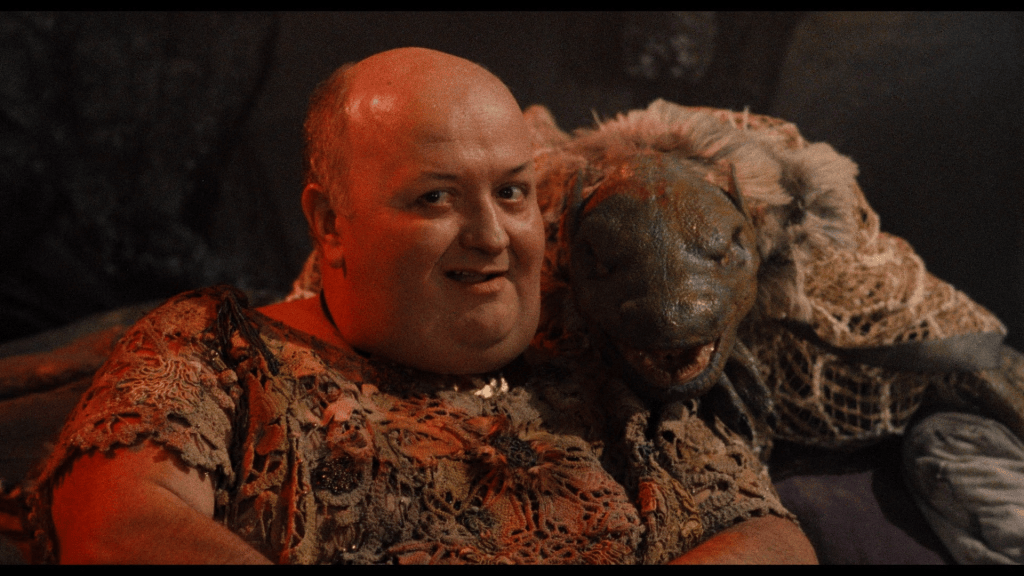
Producers moved fast on “The Garbage Pail Kids Movie,” which is based on a sticker trading card line from Topps that was known for its extreme grossness, stirring up the interests of concerned parents and school administrators as the line grew in popularity. The cards debuted in 1985, and a feature film was pushed through production for the summer of 1987, working to cash in on a kid trend that burned pretty brightly during its peak, but whatever made the line so appealing to the target audience definitely didn’t translate to the big screen. Co-writer/director Rod Amateau has the considerable challenge of creating a story for a franchise built on vivid visuals, coming up with a picture that can’t escape its extremely limited budget. “The Garbage Pail Kids Movie” is a pretty rough sit, with Amateau winging it for most of the run time, hoping to find success with strangeness that’s never inspired. Read the rest at Blu-ray.com
It bears repeating: there are no trolls in “Troll 2.” The 1990 feature was originally shot under the title “Goblins” before the wild ways of film distribution ended up branding the movie as a sequel to 1986’s “Troll” without having a connection to it. Writer/director Claudio Fragasso doesn’t have any control over the name of the picture, but he’s in charge of making something at least passably competent with the endeavor, and he fails spectacularly. “Troll 2” is often found on lists of the worst movies of all time, and it certainly earns such branding if one comes to the offering expecting a consistent, capably made horror film about vegetarian goblins looking to devour visitors to a small Utah town called Nilbog. Fragasso wipes out spectacularly with sincerity, throwing together a poorly executed and frightfully performed display of utter nonsense that’s filled with padding and scripted without thought. However, as a Bad Movie Night selection, “Troll 2” has more appeal, triggering plenty of unintentional laughs as the effort fumbles around pursuing bizarre ideas, armed with clunky low-budget craftsmanship. It could be fun for some viewers, and cinematic punishment for others. Read the rest at Blu-ray.com
1986’s “At Close Range” is “based on a true story,” dramatizing the brutal ways and family ties surrounding gang leader Bruce Johnston Sr., who embarked on a reign of terror around rural Pennsylvania in the 1960s and ’70s. Screenwriter Nicholas Kazan (son of director Elia Kazan) looks to turn such headline news into a more intimate drama about a father and son experiencing the development of a toxic relationship while working to figure each other out. It’s the stuff of high drama, but director James Foley (coming off 1984’s “Reckless”) doesn’t pursue the melodramatic potential of the piece. Instead, the helmer generates an intensely moody understanding of bonds and games of intimidation in the endeavor, moving forward with a semi-spare study of reactions and threats. The feature carries a level of intensity as it explores a dark reunion between Brad Jr. (Sean Penn), a wayward teen who’s not interested in a future, and Brad Sr. (Christopher Walken), the leader of a criminal gang looking for opportunities in a rural location, confronted by responsibilities he has no interest in. “At Close Range” is a troubling picture, as Kazan offers a cold-blooded examination of Brad Sr.’s lethal seductions and overall viciousness, finding strong tension in scenes of direct conflict. Foley isn’t always interested in creating the most propulsive effort here, with pacing an issue as the story gradually unfolds, but he’s committed to a more interior life for the characters, searching for ways to generate emotional moments handled by gifted actors, creating some sensational moments of pressure along the way. Read the rest at Blu-ray.com
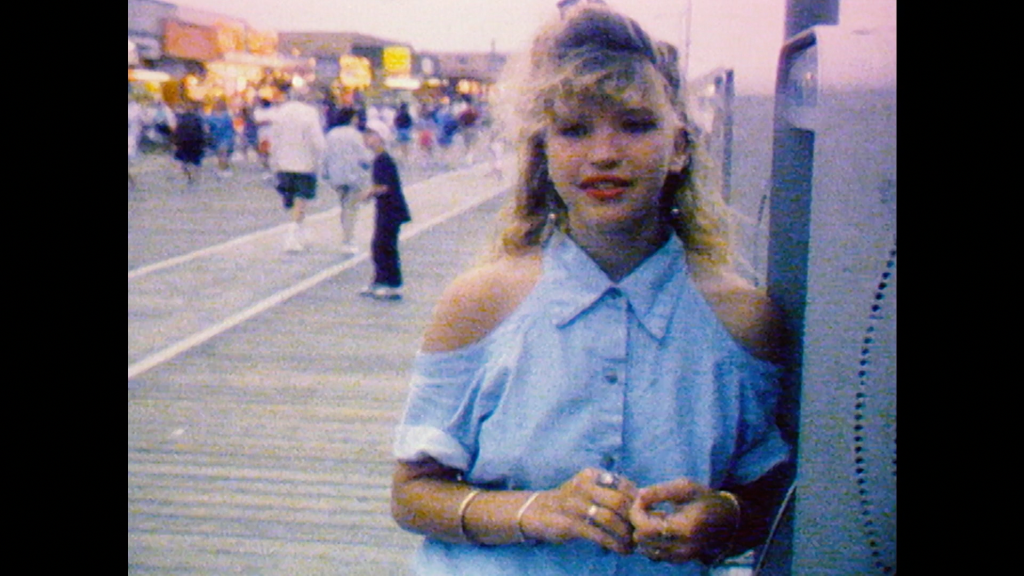
Horror can be a tough business, and it’s even harder when there’s limited imagination for frights in charge of the picture. Making his filmmaking debut is YouTuber Chris Stuckmann, who hopes to deliver a thoroughly terrifying feature in “Shelby Oaks,” though he doesn’t have much to work with in what’s truly a very dull endeavor. Lifting from movies such as “The Blair Witch Project” and “Rosemary’s Baby,” Stuckmann doesn’t have drive to really launch into disturbing behavior. Instead, he’s positioned himself somewhere between a found-footage endeavor and a chiller, never quite settling on a single approach to make sense of his main idea. “Shelby Oaks” aims to be creepy, but it’s painfully generic and poorly paced, resembling most other low-budget genre efforts in the marketplace with its strange appreciation of suspense and uneventful plotting. Read the rest at Blu-ray.com