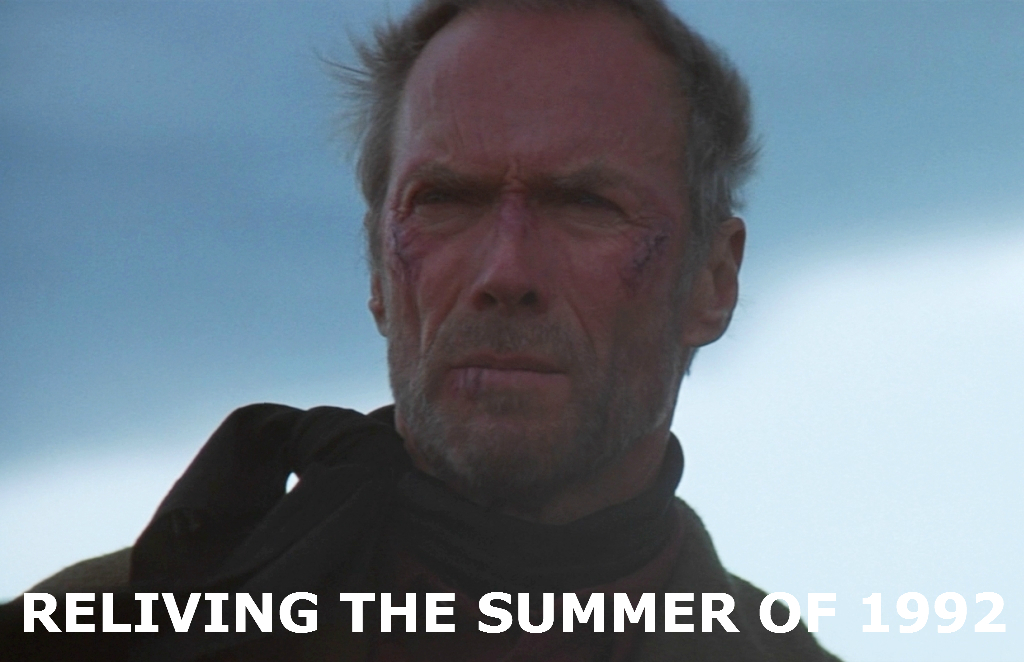
The sting of violence in “Unforgiven” and Brian De Palma goes slightly mad with “Raising Cain.”

Unforgiven
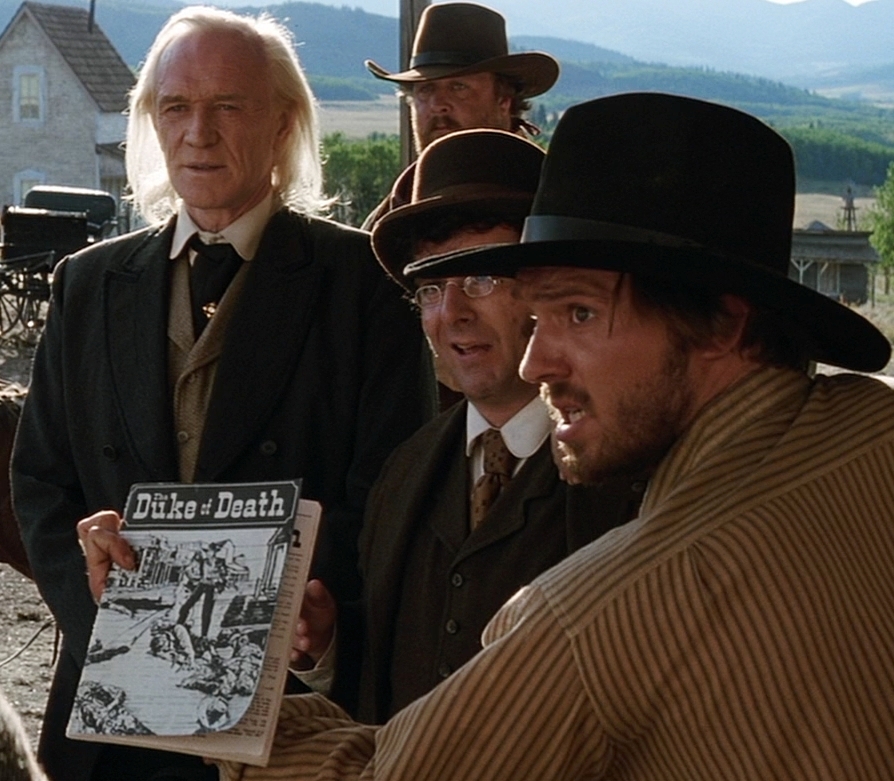
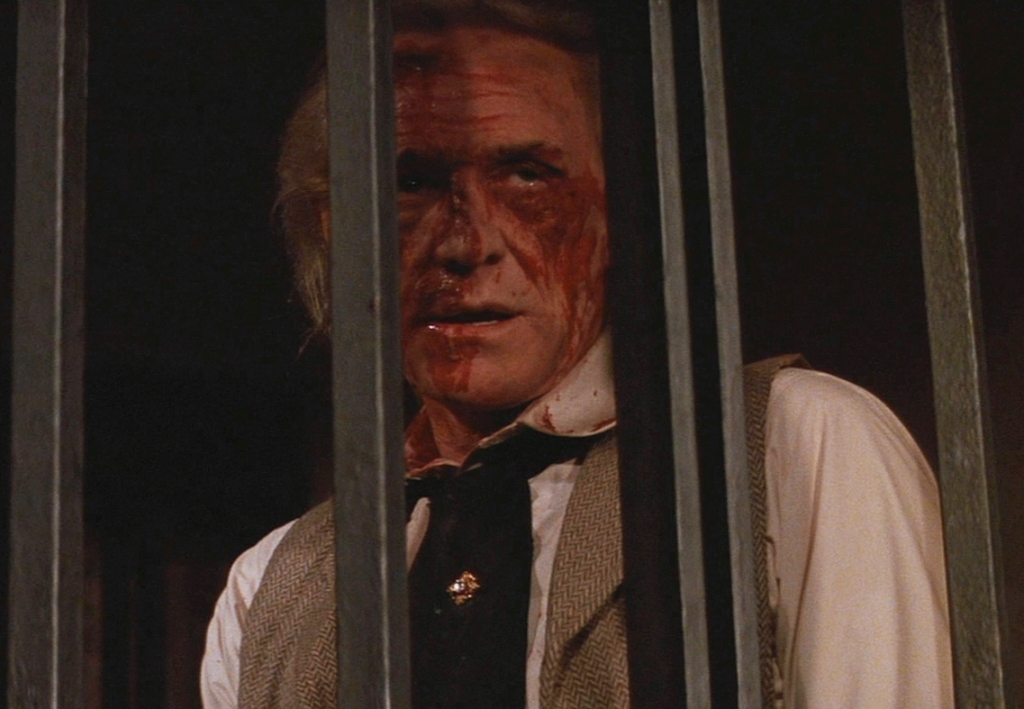
Nutshell: When a prostitute is brutally attacked by visiting troublemakers, the ladies of the brothel want revenge, offering a bounty to any cowboy willing to kill the bastards after the local sheriff, Little Bill Daggett (Gene Hackman), refuses to punish the men severely. Answering the call is The Schofield Kid (Jaimz Woolvet), an arrogant young man ready to slaughter anything in his path. Requesting assistance from Will Munny (Clint Eastwood), the Kid is shocked to find the legendary cold-blooded murder living peacefully with his two kids, looking to abstain from drinking and violence to celebrate his dead wife’s peaceful spirit. Eager to make money, Munny and longtime partner Ned Logan (Morgan Freeman) suit up and ride once again, only to find their reflexes rusty and their interest in causing harm eroded. Also involved in the story is a cocky outsider named English Bob (Richard Harris), who’s come to Daggett’s town to massage his legacy as a gunslinger, shaped into book form by writer Beauchamp (Saul Rubinek).
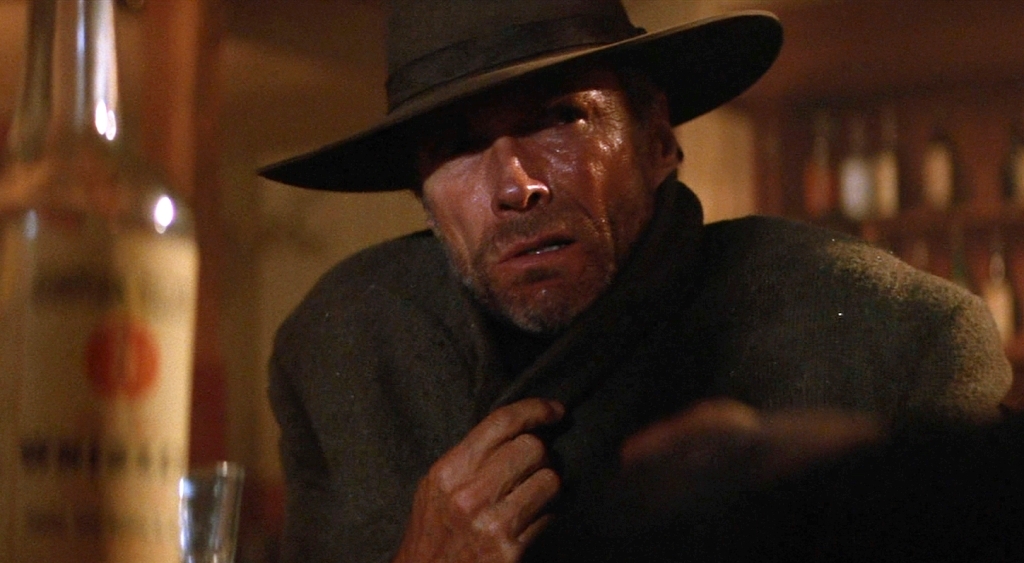
1992: When “Unforgiven” opened at my five-plex, nobody really knew what to expect from Clint Eastwood’s latest offering. Although gifted a brooding marketing campaign by Warner Brothers that emphasized Eastwood’s iconic status inside the western genre, it was difficult to judge audience interest in the grim effort. After all, the star wasn’t exactly a hot property at the time, with “Unforgiven” marking his first western in seven years. Perhaps the moment had passed and ticket buyers would skip the grizzled gunslinger routine for more candied highs of sleeker blockbusters.
The opening weekend of “Unforgiven” taught me a very important lesson about the pull of star power. When I arrived for my shift on Saturday afternoon, the movie was just letting out of its first matinee showing, and people just poured out of that theater. The Eastwood brand name was still alive and well, and that complex demographic revealed an unusual range of seniors and teens, males and females, and a few kids tucked in there as well. Eastwood dusted off the spurs for one last ride around the prairie and few were going to miss this special opportunity to celebrate one of the greatest western actors in film history.
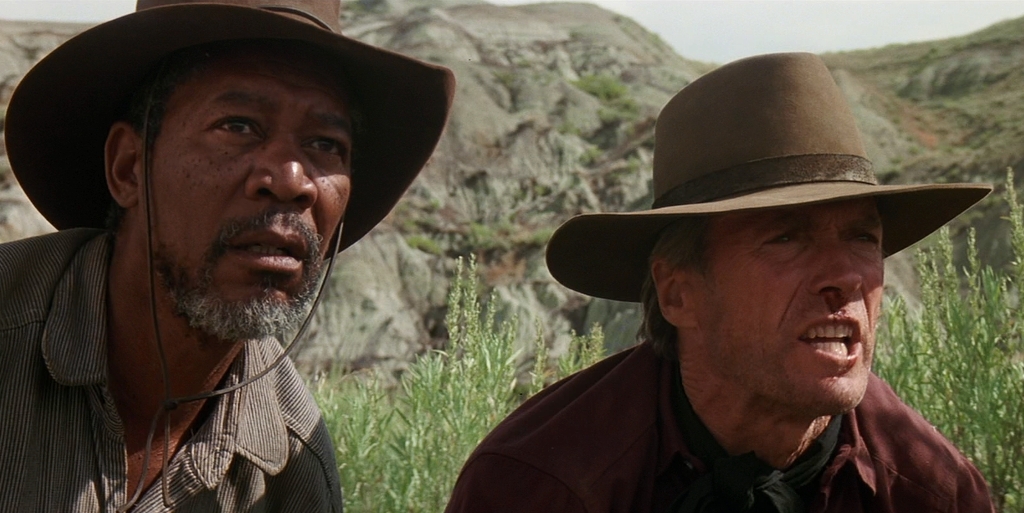
Of course, “Unforgiven” was no ordinary revenge-tinted western, but a full-blooded dissection of murder, the falsehood of honor, and the true price of revenge. I doubt ticket buyers were expecting such a multifaceted feature, but nobody complained. That’s the miracle of “Unforgiven.” It delivered an intelligent, measured story with a few thrilling peaks, trusting the audience to dig into the rich thematic and mournful atmosphere of the picture. It helped to have an all-star cast around to guarantee wildly accomplished characterizations, but the success of “Unforgiven” was truly astonishing, sustaining Eastwood’s golden marquee grip while proving the unwashed masses could sit still during the summer, especially when the filmmaking was this skilled and potent.
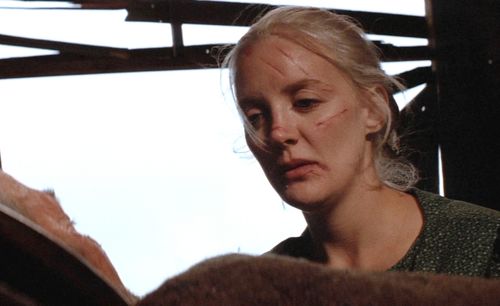
I didn’t make time to see “Unforgiven” for a while, partially due to a busy schedule, which prevented any opportunity to immediately sit down and take in the western during its opening weekend. My screening occurred weeks after the movie opened, allowing me to see the feature inside an empty theater, having 400 seats and a wide screen all to myself. Not bad. At the time, “Unforgiven” didn’t immediately strike me with its storytelling grace or chilling depictions of human suffering, leaving me a bit cold to its gravity. While I embraced its pastoral sway and crackling performances, “Unforgiven” didn’t conk me out in the caveman-style I was anticipating, leaving me with pangs of disappointment when the end credits rolled. Hype can be the Devil, ruining a perfectly miraculous film with unreasonable expectations. It took time and a few more showings, not to mention countless viewings of the picture’s final act while on duty, where the grit and grief of the material fully soaks in, assisting in my growing appreciation of Eastwood’s spare approach.
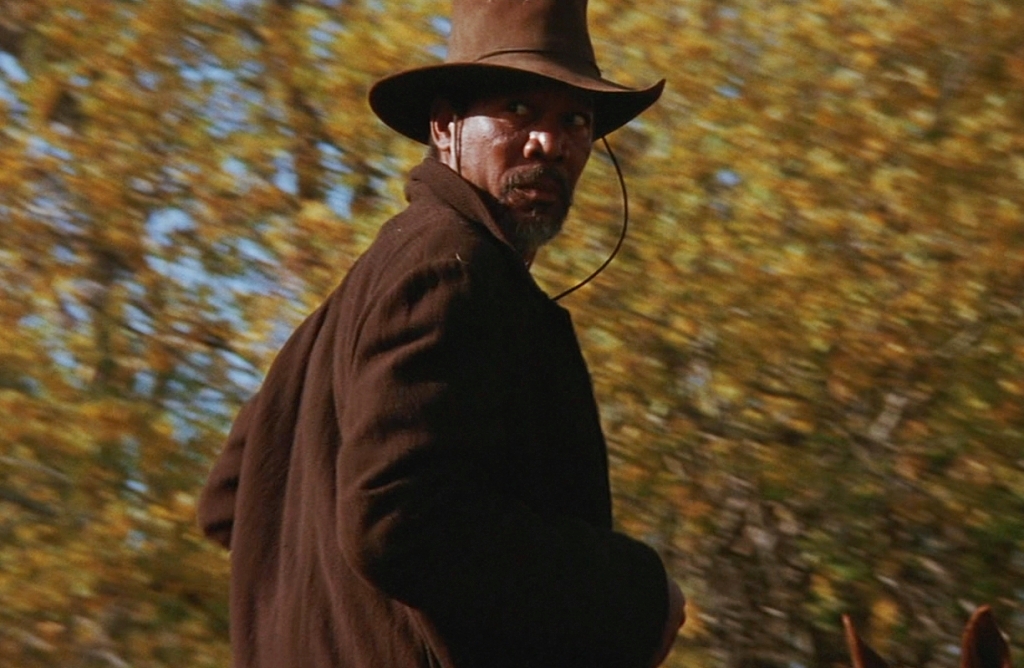
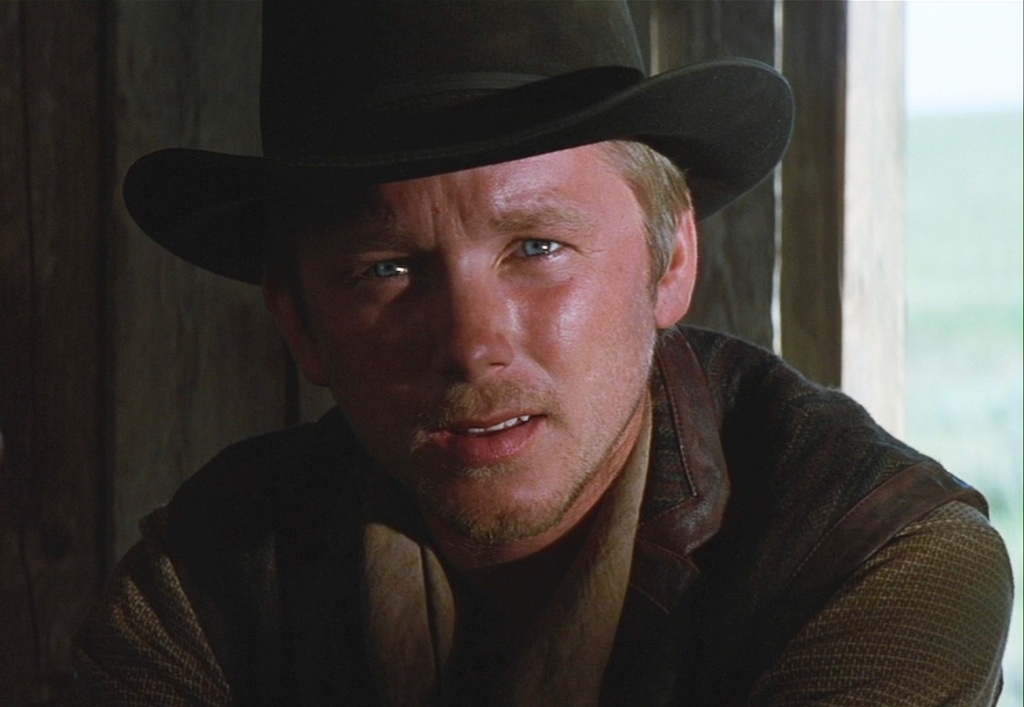
There was the score too. That gorgeous, delicate score that ran over the end credits, making “Unforgiven” a must-do when volunteering to clean other people’s filth. Eastwood get a lot of credit for his screen achievements, but nothing has hit me quite as hard as a musical work on “Unforgiven” and, to a lesser degree, 1995’s “The Bridges of Madison County.” These sensitive, acoustically buttered orchestral endeavors fit the features as perfectly as a Rotten Cotton “Dawn of the Dead” XL t-shirt on a fat nerd, compelling me to return to the music practically on a weekly basis. There’s much to praise about “Unforgiven,” but Eastwood’s score is top of the pops to me, evoking powerful images of the old west, the crippling weight of personal loss, and cleaning up wads of chewing tobacco splattered all over the theater floor. If you’ve never heard “Claudia’s Theme,” take a moment to marvel in its simplicity and staggering cinematic stimulation.
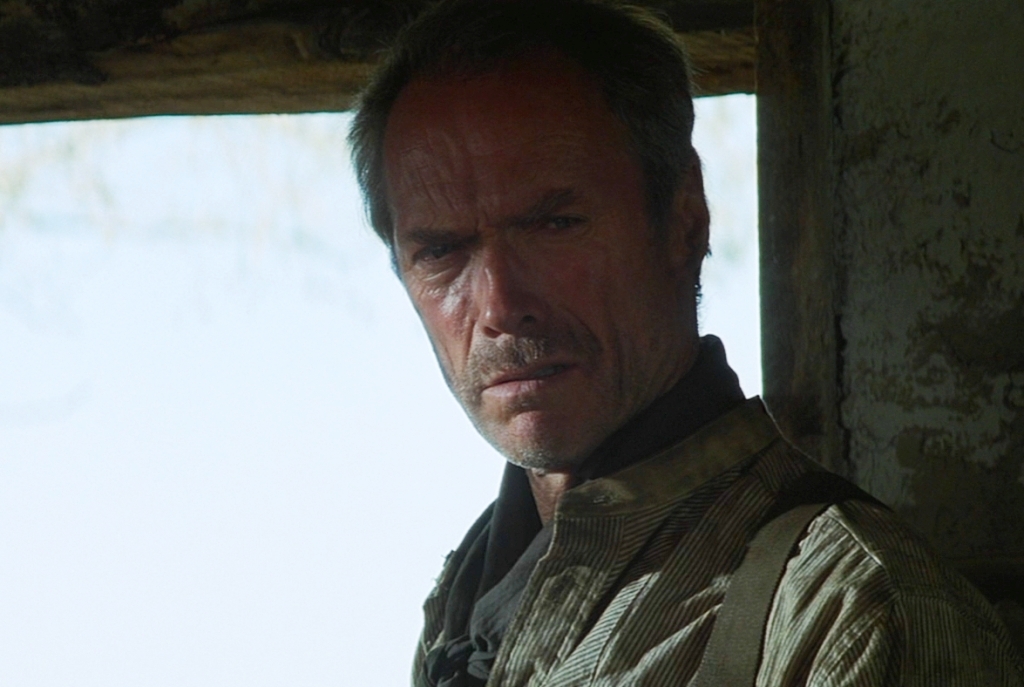
2012: The miracle of “Unforgiven” is how its thematic inspection on the ravages of violence cuts all the way to the bone. Eastwood takes the endeavor with the utmost seriousness, feeling particularly inspired with this, his final foray into the western genre (it’s hard to believe he’s kept that promise). After decades of slaughter and antiheroism, “Unforgiven” permits the filmmaker to step back and summarize a lifetime of killing on the haggard face of Will Munny. It’s an incredible bookend to a distinguished career atop a horse, contorting a renowned squint into a frozen grimace, as Munny finds himself powerless against his returning demons. Eastwood has been livelier, he’s been more expressive, he’s been more iconic, but he’s never been better than this, filling the character with a rickety sense of dignity implemented by his wife before her untimely death. The suppressed storm front within Munny, that turbulence of true nature, is reason enough to revisit the feature on a yearly basis. It’s riveting to watch, backed by a marvelous supporting cast who bring flavor to the wintry atmosphere, while Hackman goes all Hackmany on the meaty role of Little Bill Daggett. A sociopathic man unable to acquire the better life he believes he deserves, Daggett is a genuine villain, executed with a fearsome sense of intimidation by the legendary actor.
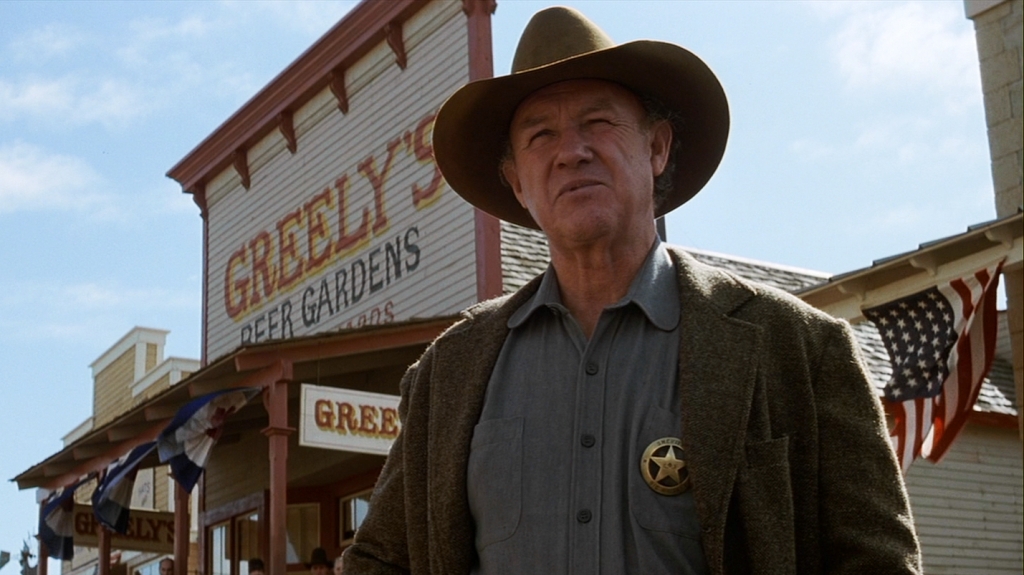
I’d now like to take a moment to remind the world that Hackman’s last movie before his retirement was “Welcome to Mooseport.” That factoid is a heartbreaker.
The screenplay by David Webb Peoples is darn near brilliant, deconstructing the old west in a manner that feels approachable, using the English Bob character to break down the whole notion of mythic gunslingers and their superhuman achievements, nurtured into rule by lowly writers looking to make a buck. “Unforgiven” approaches convention from an entirely fresh angle, working the routine of a revenge picture with an eye toward humanization, peeling away bravado to reveal these cowboys as broken, scarred men, some quite fearful of their dying day. Eastwood being Eastwood, nothing is emphasized or embellished, it just is, making the material feel grounded and organically illuminative. It’s a somber feature, but one of extraordinary character development, bundled into a compelling story of men facing their sins in a most brutal, pitiless manner.
“Unforgiven” is simply amazing, searing and oddly ethereal, nailing a mesmerizing tone of dread and acceptance, achieving a crystal clear view of human nature in a manner thoroughly and thankfully Eastwoodian.
Raising Cain
Nutshell: Dr. Carter (John Lithgow) is a respected, loving family man hiding a dark secret about his childhood while in the care of his psychologist father (also Lithgow), the trauma from which has manifested itself in multiple personalities, each looking to assist Carter in a mad plan of abduction and murder. Tempted by the return of ex-lover Jack (Steven Bauer), Carter’s wife Jenny (Lolita Davidovich) is soon targeted for a gruesome death once her adulterous ways are discovered, forcing the meek woman to deduce the root of her husband’s evil while cops and a former colleague of Carter’s father arrive to pry open the shattered man and reveal his vast reservoir of disease.
1992: At this time in my life, the name Brian De Palma didn’t kick up any specific ticket buying excitement, though I was well aware of his work, having previously enjoyed “Casualties of War” and “The Untouchables,” while forbidden peeks at “Dressed to Kill” and “Body Double” certainly raised my spirits as a young kid. One witnesses a porn production sequence choreographed to a Frankie Goes to Hollywood song at the 13 years of age and they’re not likely to forget it anytime soon.
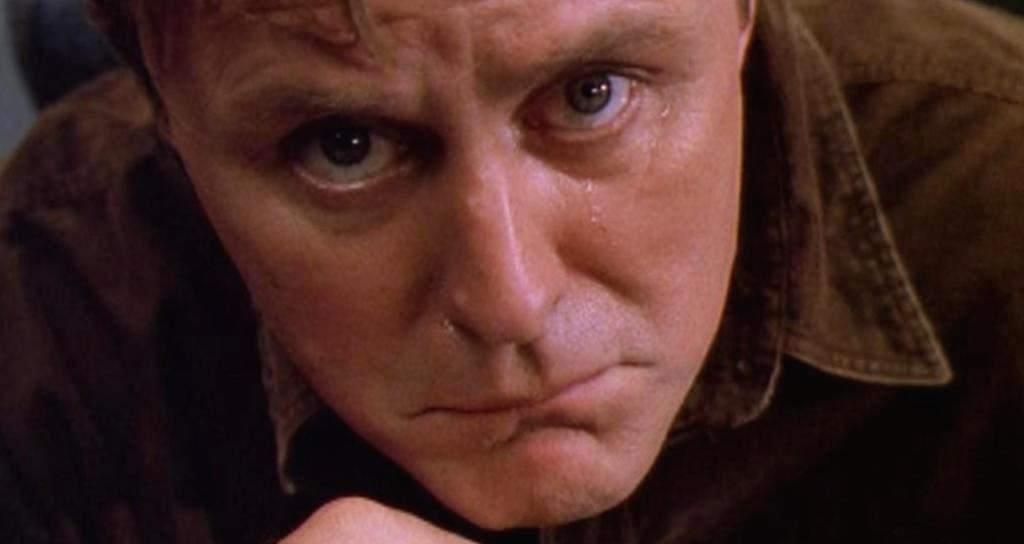
“Raising Cain” was promoted heavily as a return to form for De Palma, who walked away from his thriller roots to make Hollywood blockbusters and personal statements, finding varied success. His latest promised to revive the filmmaker’s Hitchcockian interests and vaguely sleazy attitude, creating an appetizing moviegoing experience, at least from a distance. “Raising Cain” certainly came across nuts in the marketing, also bending over backwards to remind viewers about De Palma’s mastery of the genre. The poster alone displayed a rare instance of directorial muscle used to sell a major motion picture. Of course, John Lithgow, as wonderful an actor as he is, wasn’t going to put butts in seats, but could De Palma?
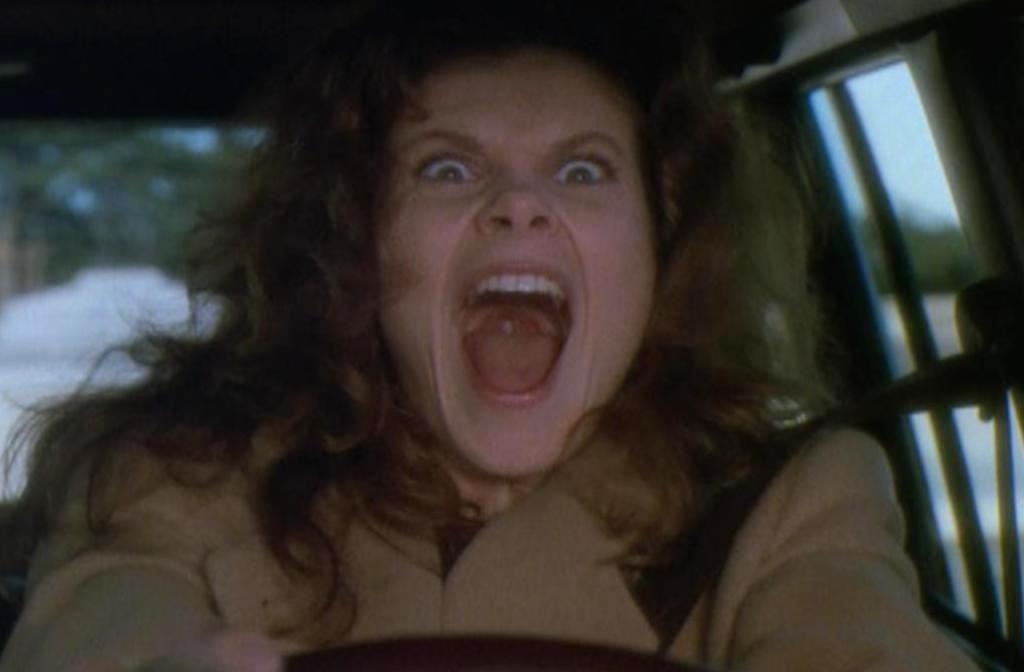
I was greatly annoyed with “Raising Cain” upon first viewing, irritated with De Palma’s visual showmanship and Lithgow’s quivering acting, though impressed with his dedication to utter screen lunacy. It came off as an operatic mess, with wild camera moves and editorial flourishes covering for a faulty script perpetually locked in distraction mode. I couldn’t stand it, shutting down about halfway through the feature, giving up on De Palma’s hyper vision for murderous entertainment with an emphasis on the theatricality of dissociative identity disorder.
There was also a major malfunction with actor Steven Bauer. The Brichives spray a little venom on the severely limited actor, basically subjecting him to complete disdain. He’s hardly to blame for the failure of the movie, but I went out of my way to signal him out, as if Bauer personally slapped my momma.
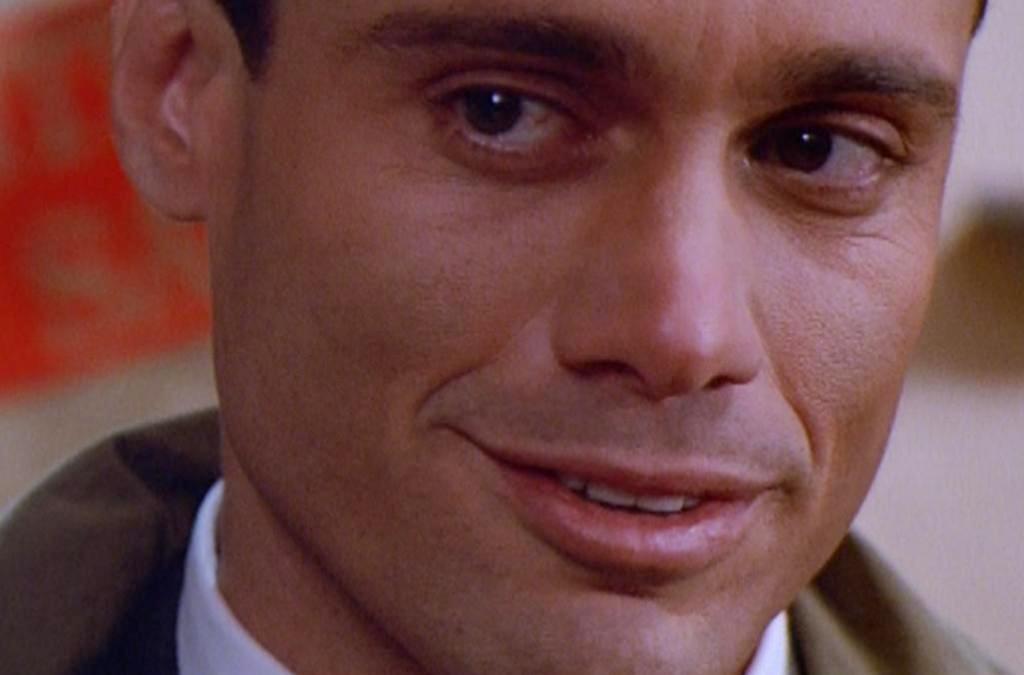
2012: Not that every film should open with a solid ten minutes of exposition, getting the audience comfortable with characters and setting, but “Raising Cain” all but demands the treatment. De Palma’s chasing “Psycho” without a feel for the dastardly, pulling Hitchcock batting gloves over his plump hands to make a cinematic mess that weaves through dreams, multiple personalities, and murder. In a world where “Redacted” exists, “Raising Cain” isn’t De Palma’s least effective picture, but it’s damn near close, purposely unreasonable and shockingly leaden all the way.
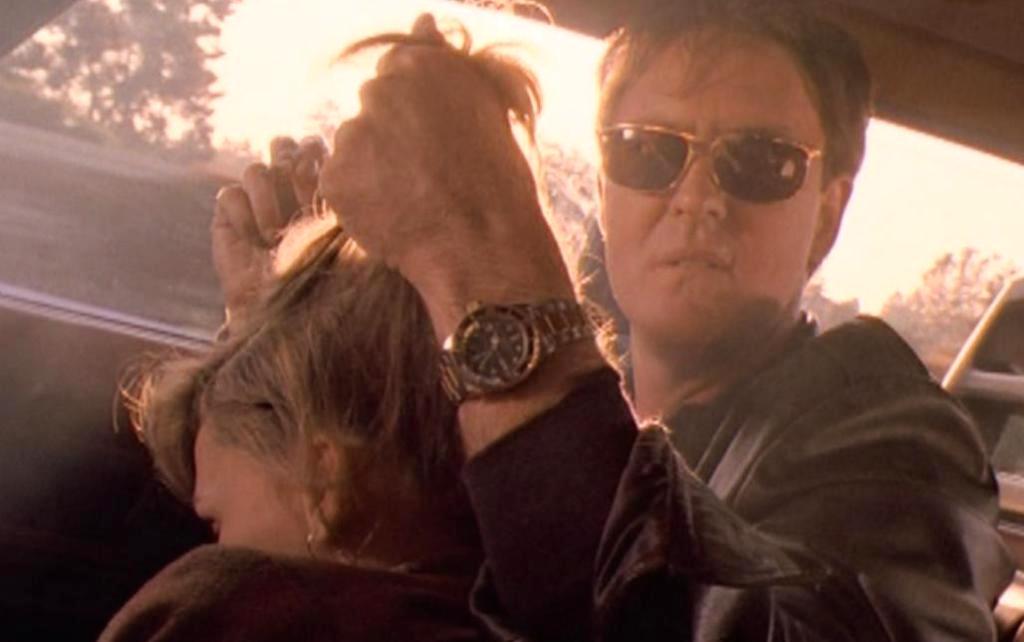
It’s not that the feature doesn’t make sense (genre mathematicians, settle down), there’s just no entry point to this fantasyland of trauma, with De Palma playing rough with outsiders. Volcanically protective of the film’s unreality, the helmer forgets to provide a reason to dive into the deep end of the pool, to give Carter the attention Lithgow’s sweaty performance craves. It’s a stillborn picture, creating a frustrating distance right out of the gate, refusing to initiate enticing exposition to appease popcorn munchers. Instead, it’s De Palma’s big game, and if you don’t like it, he’ll take his ball and leave.
There could be a larger sense of analysis incorporated here, but the invitation only exists on the fringes of Carter’s diagnosis, where his four lives pop in and out of the movie in a hurry. The filmmaker is almost fearful to devote his picture entirely to the lead character’s breakdown, keeping Jenny and Jack’s story of adultery crawling along as a diversion, an artificial divide most clearly defined in a hasty bit of narration from the cheating spouse, who gobbles up a few minutes to explain how she originally met her lover. That De Palma would piss away screentime on an indulgent detail like an unfunny meet-not-so-cute (they enjoy a make-out session while Jack’s wife dies in her hospital bed) when the rest of the feature is crying out for even a moment of penetration is maddening, a feeling brought to full boil in the second act, where doctors and cops debate the mental state of a man we know nothing about. Who. Cares.
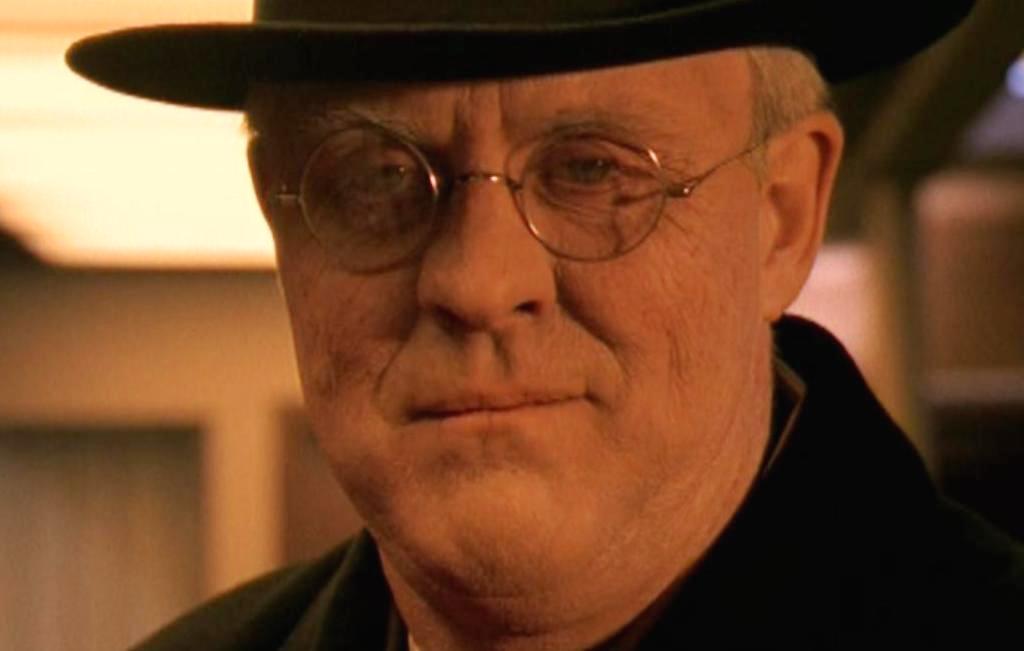
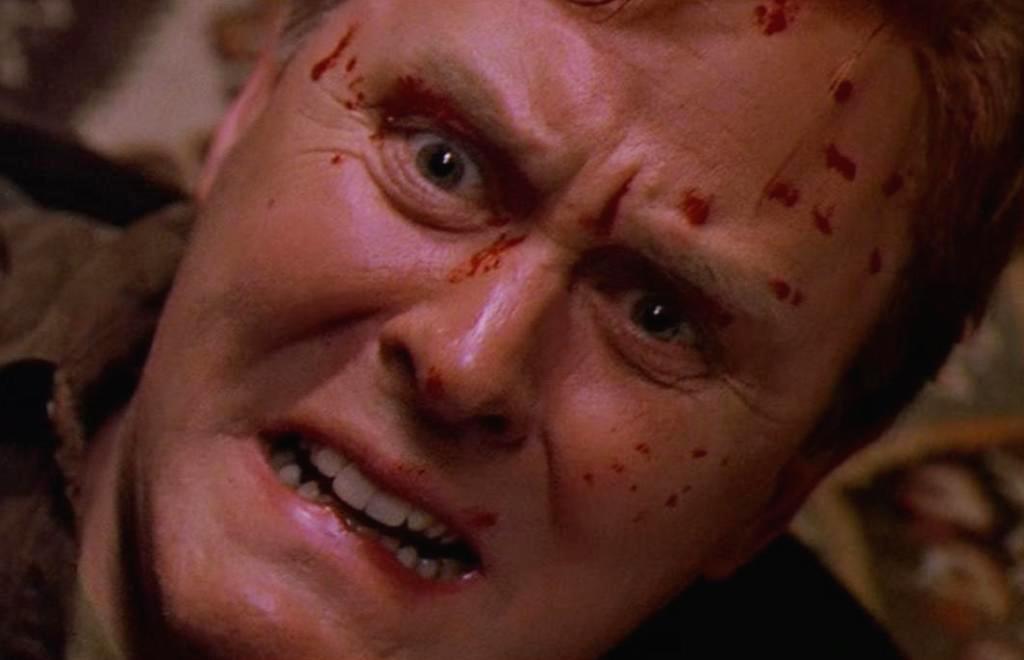
While a relatively subdued effort for De Palma, “Raising Cain” tosses in a few bravura shots, keeping in rhythm with the rest of his oeuvre. Cinematography by Stephen H. Burum is exceptional, helping the director find the darkly comic mystery in the middle of the storytelling fog. The film is best viewed on mute, taking in a few shocker shots and the pure intensity of a Lithgow close-up — a sustainable energy source the government should open up for study. The look of “Raising Cain” is impish and direct, especially when breaking up Carter’s wounded mind, making sure the viewer understands who’s in command. De Palma always expresses himself more profoundly with visuals, with “Raising Cain” not his flashiest work, but peppered with enough mischief to stave off utter boredom with the plot.
As for the burning Bauer mystery, indeed, the actor is vanilla ice cream in a role that requires suction cups and a liberal dousing of Drakkar Noir. He’s not convincing as a sexually motivated spoiler in Carter’s life, but neither is Davidovich, who looks utterly lost trying to drum up the screen presence to compete with the camera tilts and Lithgow’s eye bulges. Pretty people, no doubt, but this not their finest hour.
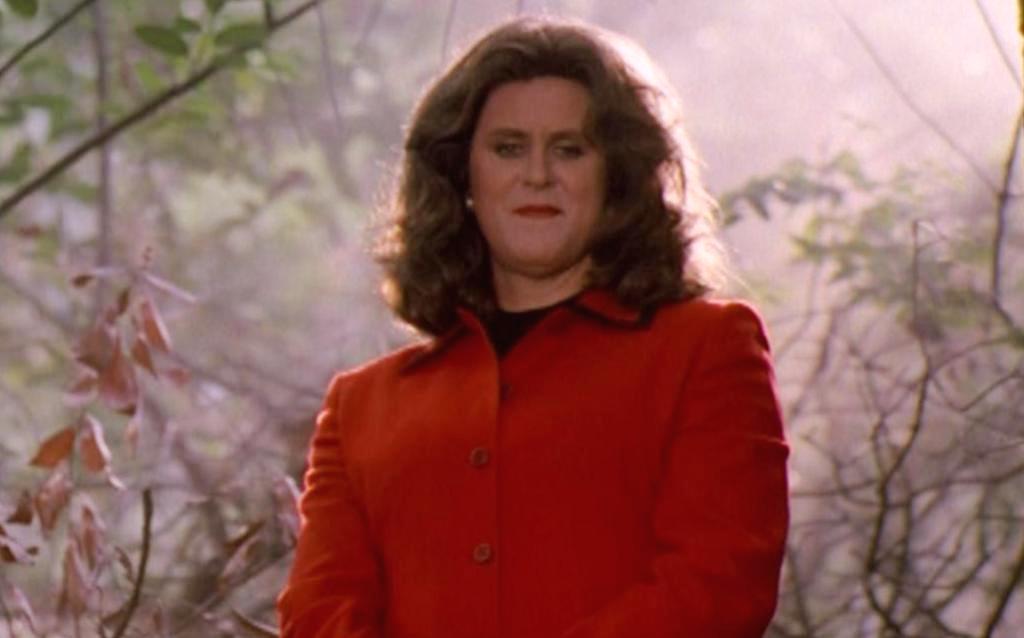
Coming next week…
Never turn your back on Jennifer Jason Leigh.
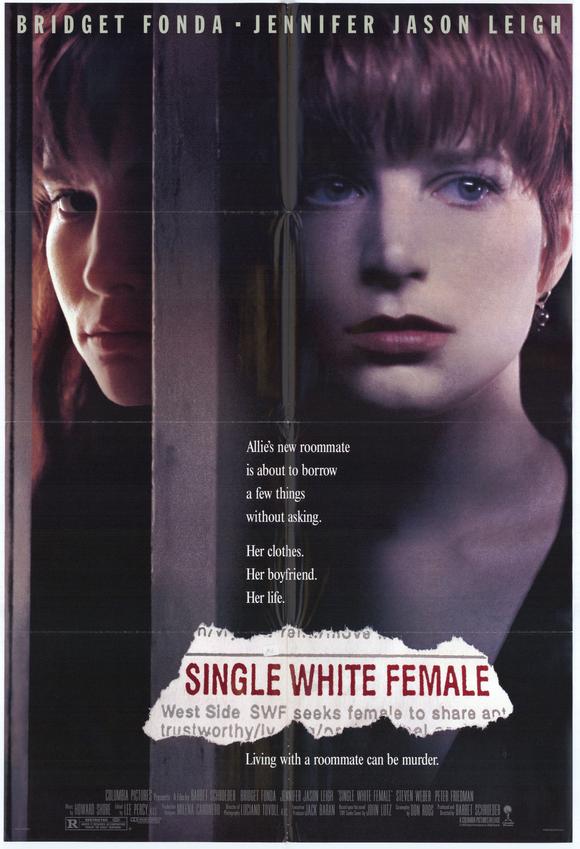
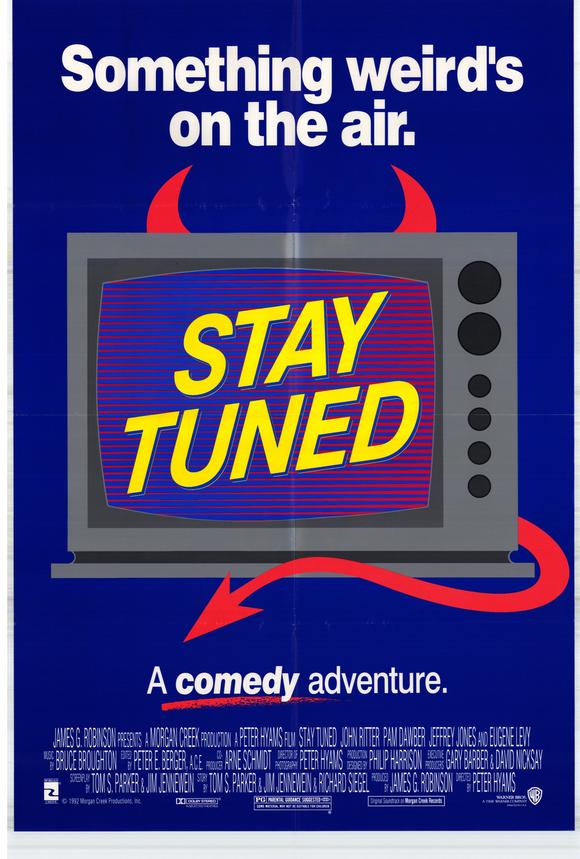
Never allow Peter Hyams to make a comedy.


Leave a Reply