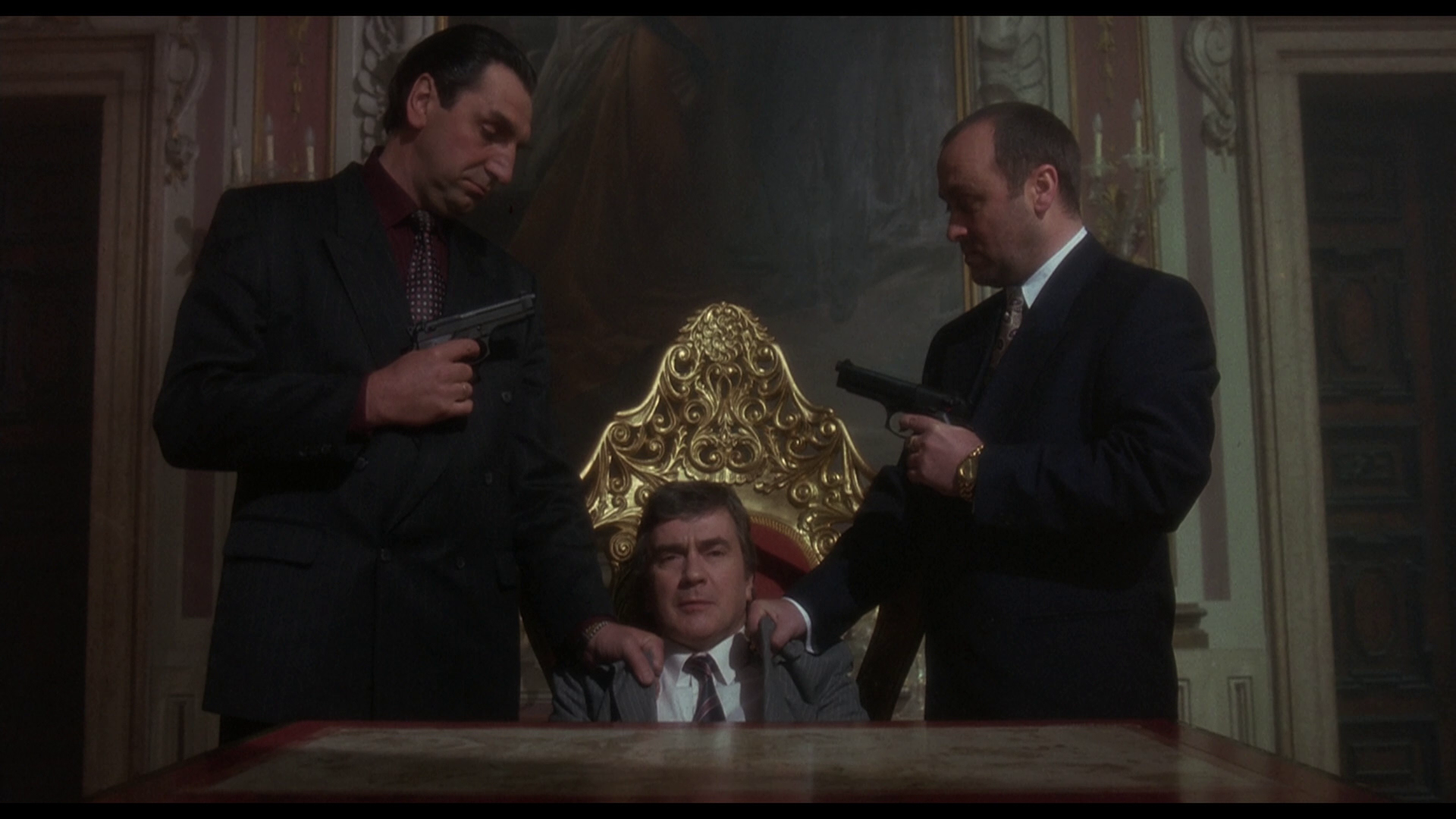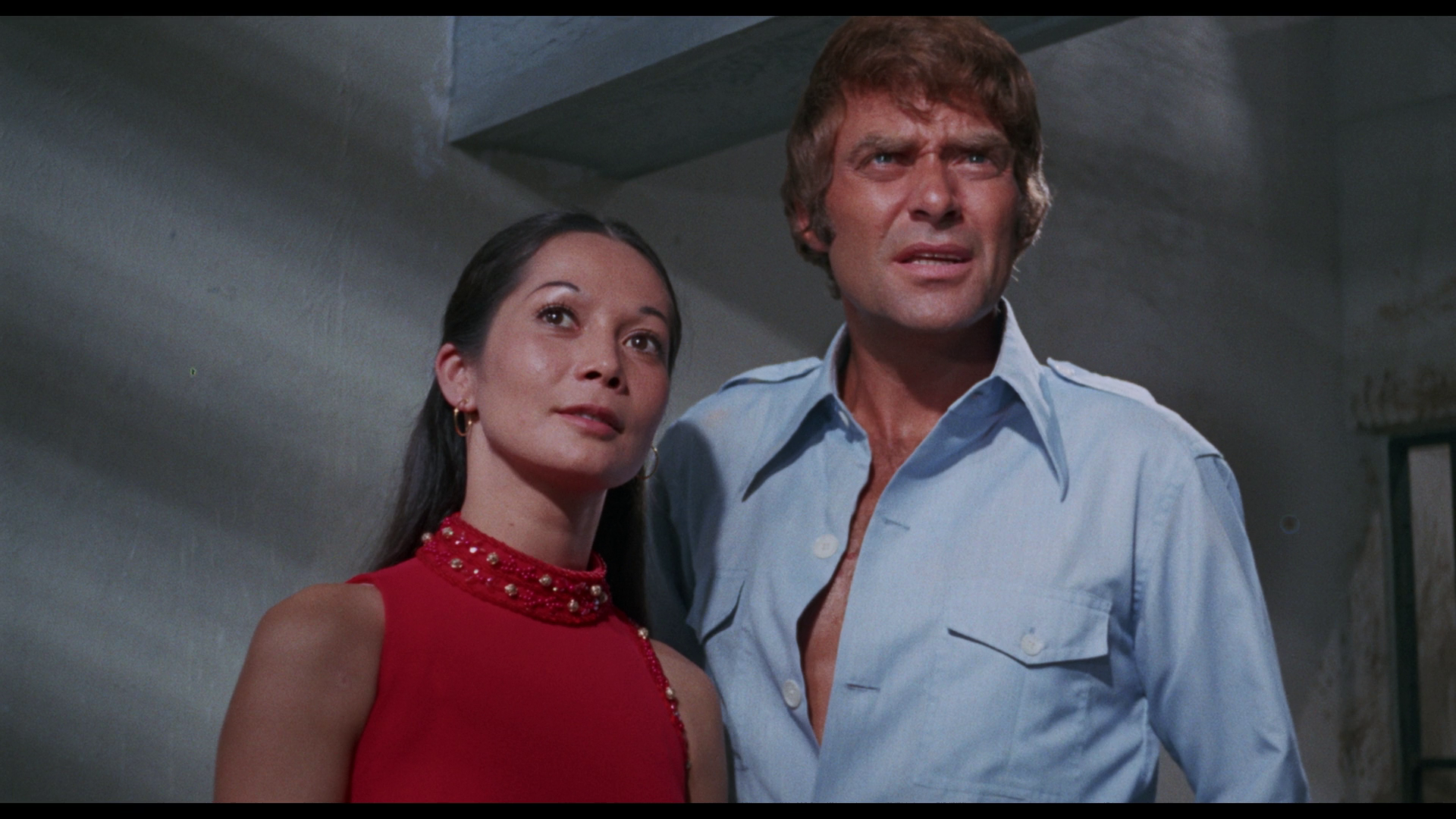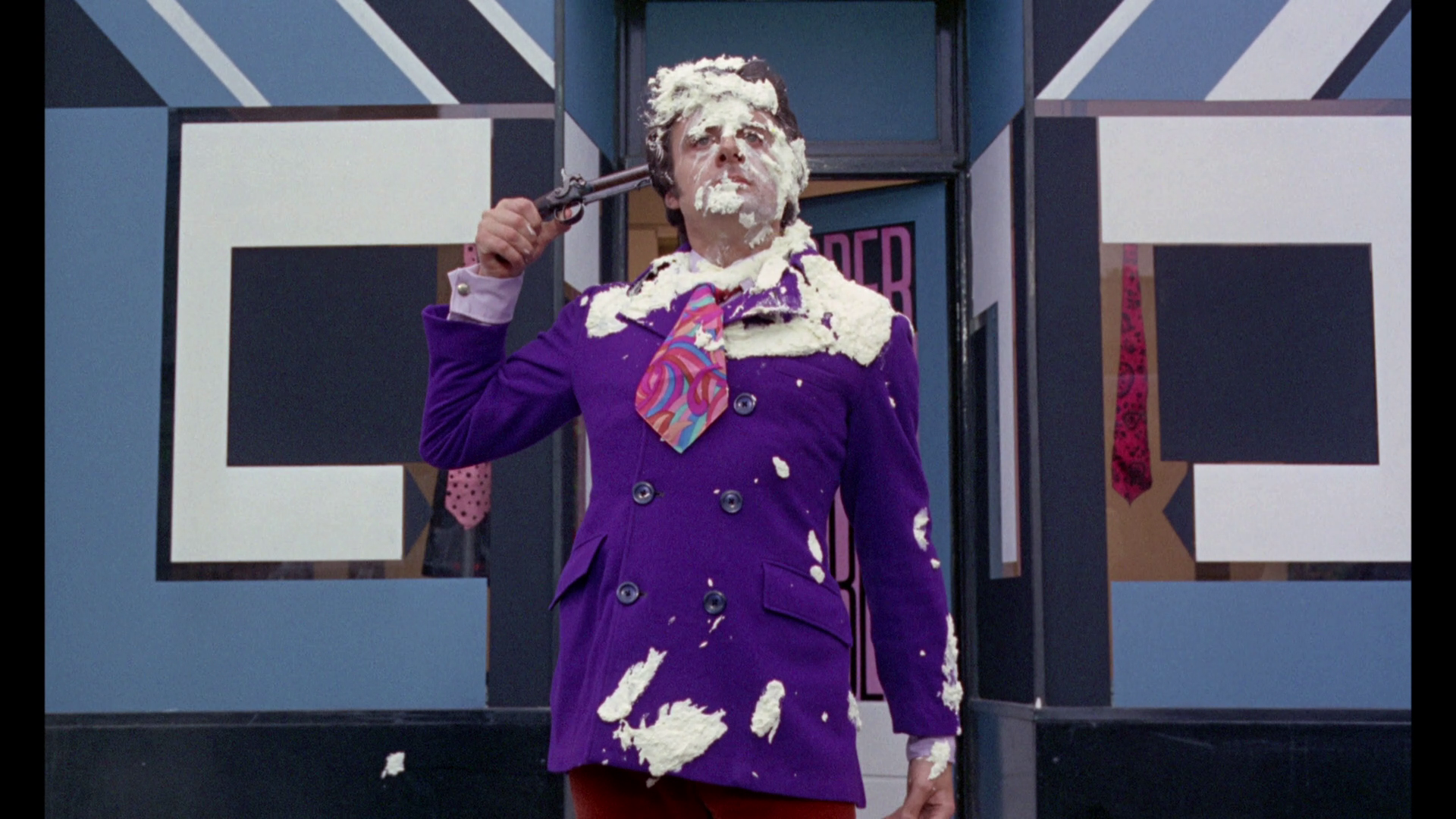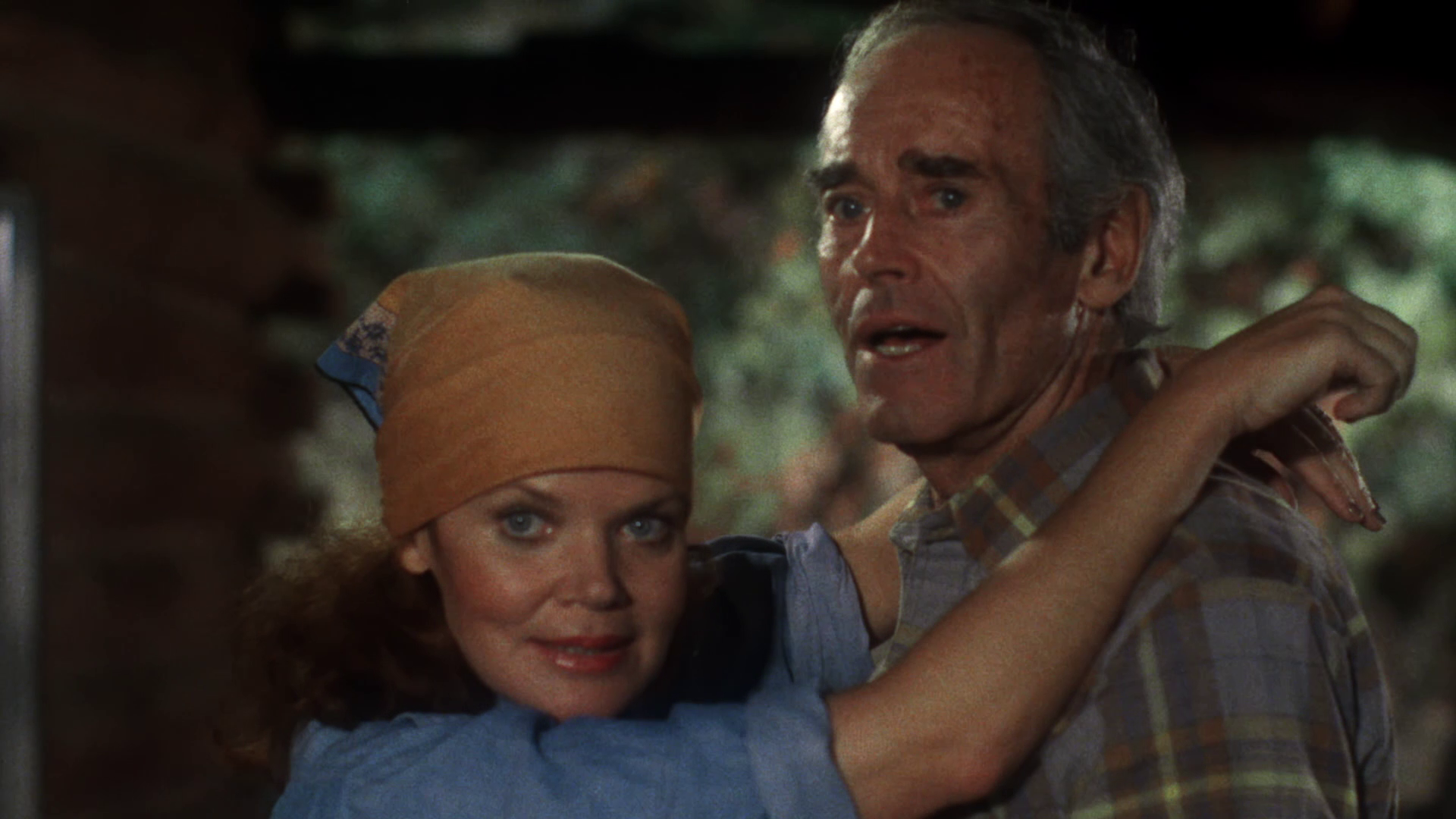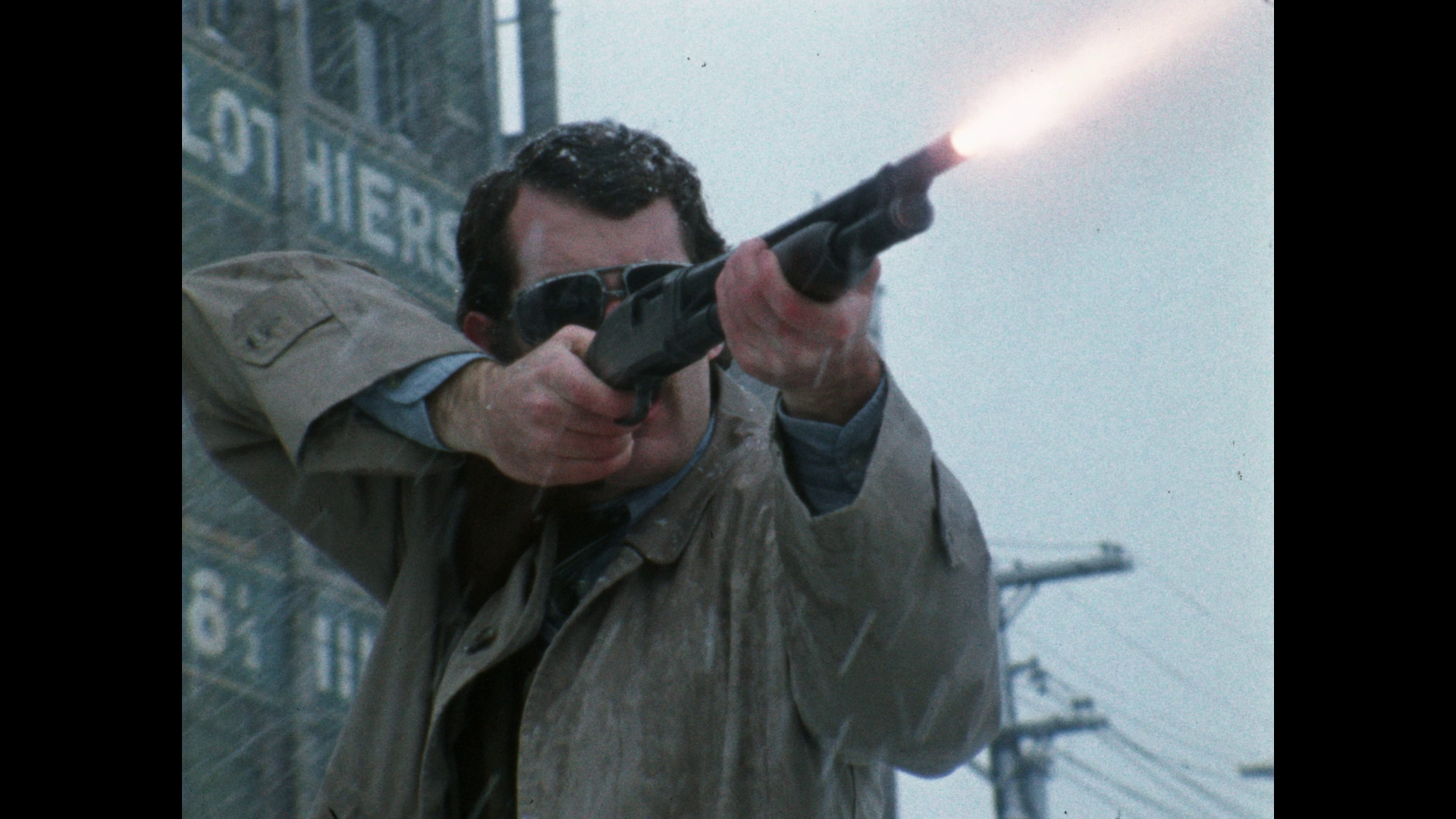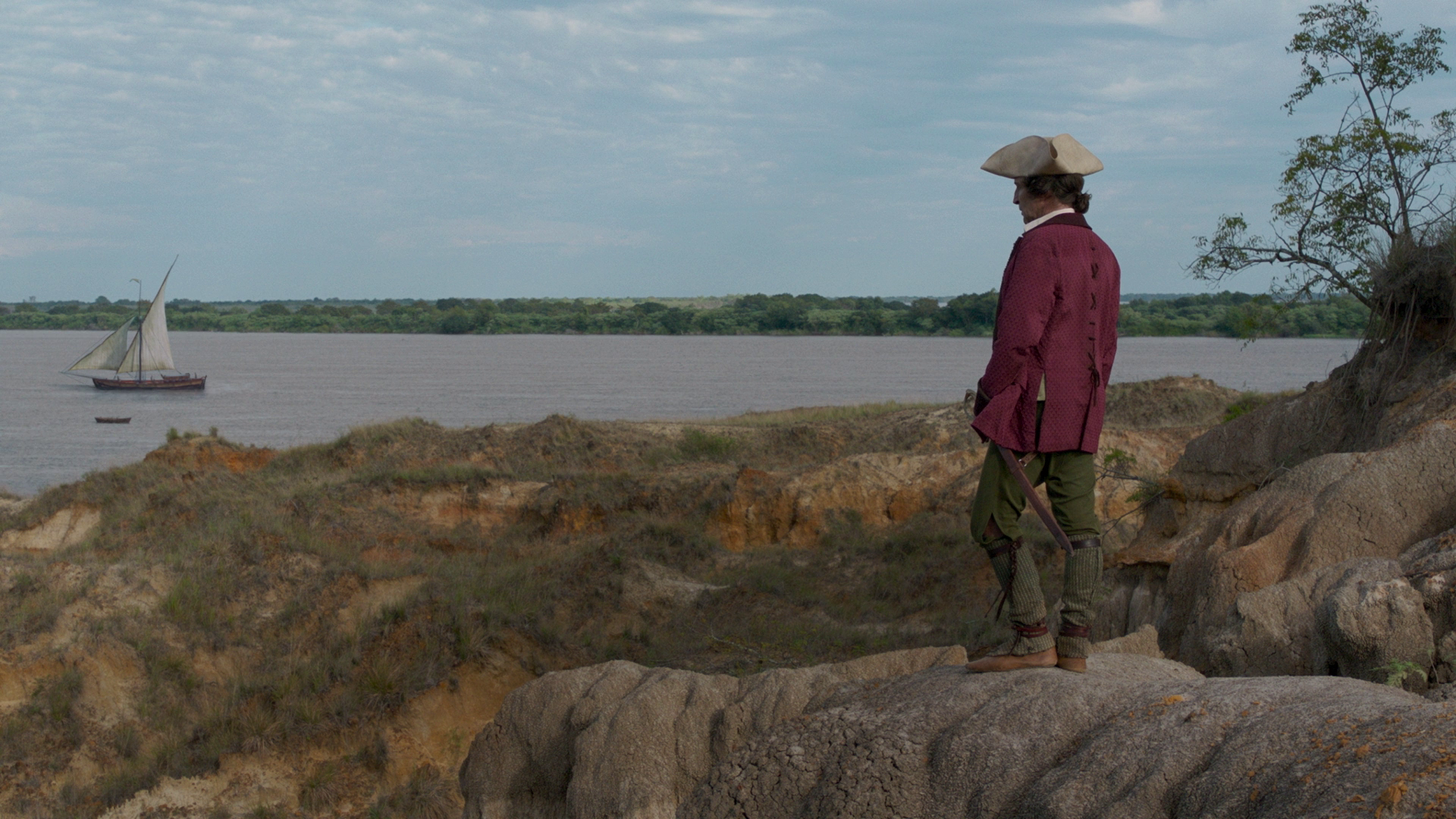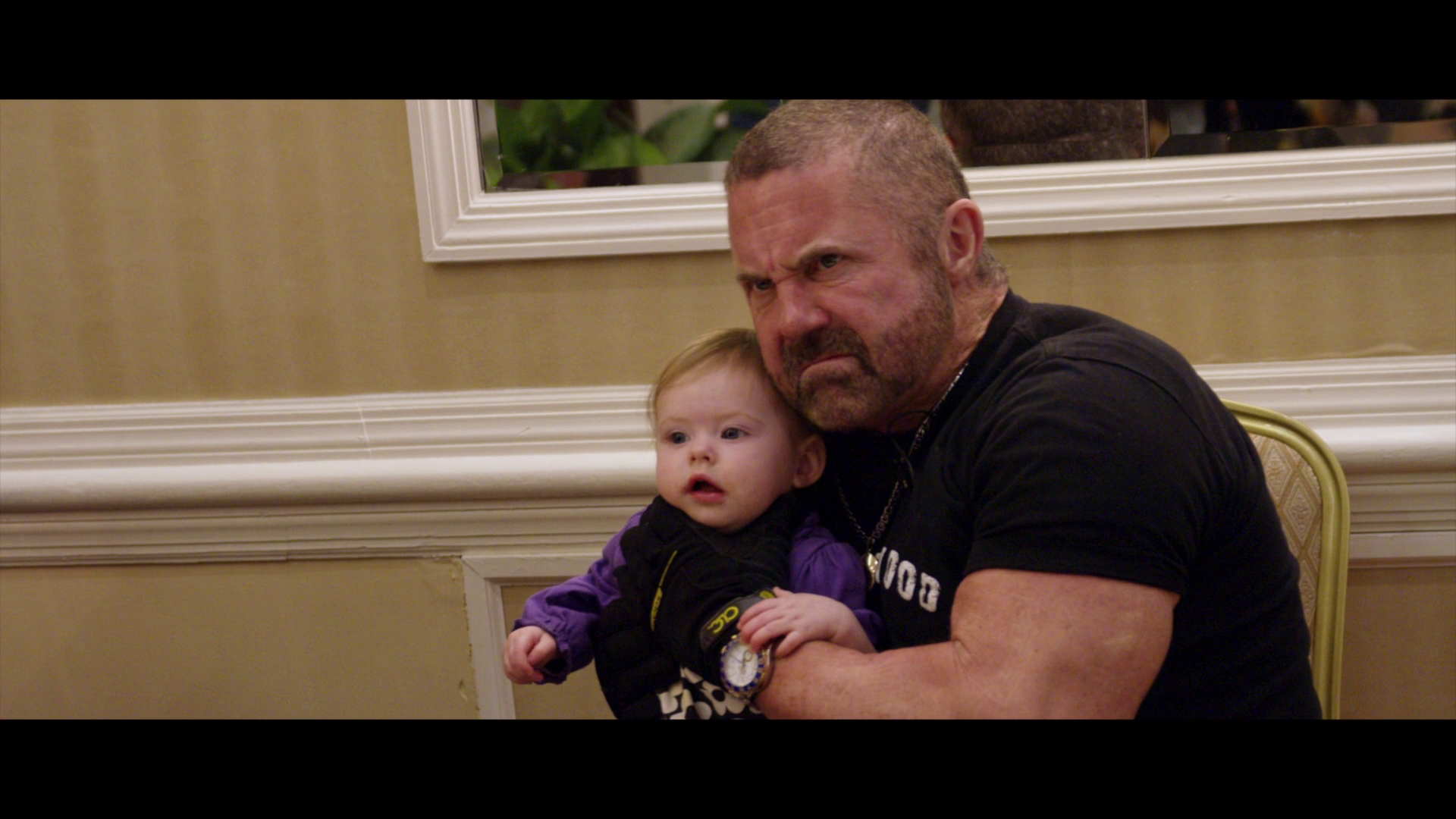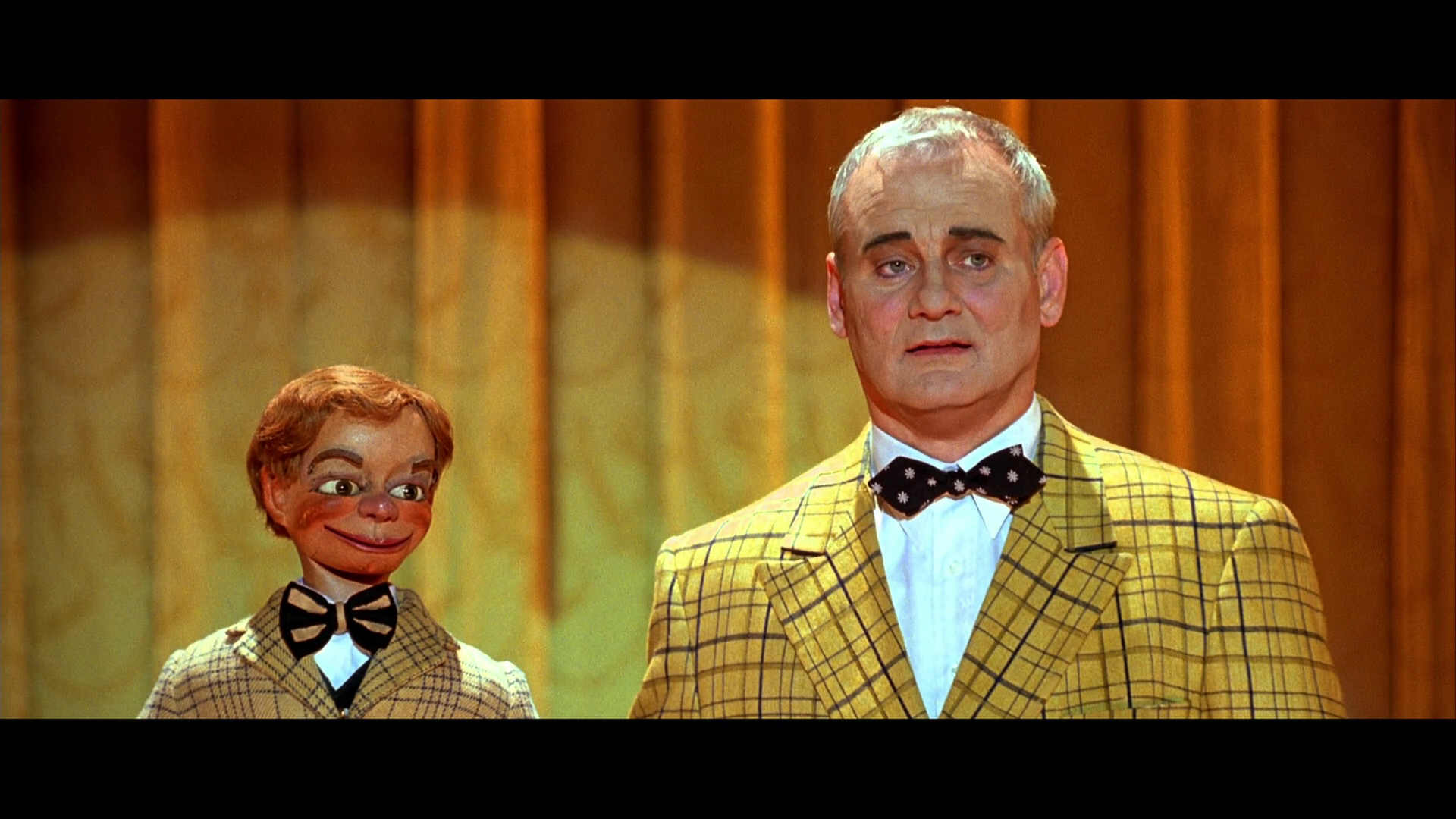
The selling point of 1985's "Buddies" is its status as the first movie to confront the growing AIDS pandemic of the decade, coming out a few beats before television and indie film set out to explore the subject matter. Written and director by Arthur J. Bressan Jr., the picture deserves accolades for timing and its sincere handling of a troubling topic, taking a theatrical approach to the study of disease, fear, and human connection. It's a little rough around the edges, but "Buddies" has an impressive concern for life and love, with Bressan Jr. trying to articulate the frustration of living with an illness most have chosen to ignore, offering no help or comfort to those forced to deal with what was then a brutal death sentence. Read the rest at Blu-ray.com
Category: DVD/BLU-RAY
-
Blu-ray Review – Tiger by the Tail
1970's "Tiger by the Tail" (released two years after being completed) gifts star Christopher George his own hardboiled detective story, putting him in a tough guy position that makes the most of his hard stares. It's hard to argue with the casting, with George a believably steely man portraying a character who can't seem to escape trouble. "Tiger by the Tail" plays to his thespian strengths, but the movie lacks a lot of chewiness the subgenre is known for, unfolding with a surprising amount of conversation instead of two-fisted conflict resolution, leaving the picture lacking a great of excitement, which is pretty amazing considering that the film opens with a brawl inside a Mexican brothel. Read the rest at Blu-ray.com
-
Blu-ray Review – Human Experiments
In the mid-1980s, 1979's "Human Experiments" was added to the UK's list of "Video Nasties," banning it from distribution due to perverse violence. It's difficult to understand this decision, as the film is hardly the torture-a-thon its box art and title suggests, and perhaps producers were delighted to suddenly be in possession of such forbidden fruit, newly empowered to sell the picture as aggressively as possible. The reality of "Human Experiments" is that it's not a particularly haunting endeavor, with director Gregory Goodell and writer Richard Rothstein aiming for something more sinister than graphic, keeping the effort well within television movie parameters for intensity. While sold as an agony machine and a women-in-prison feature, the effort never really settles anywhere specific, more eager to sample different moods than remain frightening for very long. Read the rest at Blu-ray.com
-
Blu-ray Review – 1/1
It's difficult to tell if "1/1" has autobiographical ties to writer/director Jeremy Phillips, but it certainly plays as much, emerging with a level of passion and personal perspective that's explosive at times. It's also a movie that doesn't invite outsiders into the intense psychological inspection, finding Phillips too concentrated on the construction of the film, forgetting to provide a reason why anyone should care about the story. It's an artful journey into the folds of depression, and Phillips is careful with every frame of the endeavor. As technically advanced as it is, "1/1" is also cold to the touch, making whatever inspired this effort difficult to discern as the helmer arranges a sensory assault that's tough to sit through. Read the rest at Blu-ray.com
-
Blu-ray Review – Personal Problems
It was promoted as a "Video Soap Opera," using the existing technology of the late 1970s to create a melodrama about a middle-class black family from New York City. 1980's "Personal Problems" was made for $40,000, created with the intention of selling the endeavor to public television for broadcast, giving screenwriter Ishmael Reed and director Bill Gunn ("Ganja & Hess") a chance to take their tiny project wherever they wanted, exploring all types of dramatic confrontations and family issues. Divided into "Volume 1" (93 minutes) and "Volume 2" (77 minutes), "Personal Problems" is an experimental dive into improvisation and video-based craftsmanship, with Gunn and Reed using the freedom of the format to examine banalities and insecurities, trying to remain as casual as possible to respect the natural rhythm of life. Sometimes it's a chore to sit through, but as free-form black cinema goes, there's a lot to treasure about the effort. Read the rest at Blu-ray.com
-
Blu-ray Review – Fire Birds
When "Top Gun" became a box office sensation in 1986, it inspired Hollywood to dream up their own takes on military might and stylish jingoism. It's not an easy recipe to follow, with the dramatic reach of "Top Gun" open for debate, but it certainly put a lot of scripts into development, with each project seeking to replicate what director Tony Scott managed to pull off with relative ease. 1990's "Fire Birds" is a little late to truly cash-in on the need for speed, but it has the drive to be the next big thing for action movies and military salesmanship, making heroes out of helicopter pilots out to protect America from harm, though personal issues and relationship woes come first. It's goofy, painfully simplistic, and partially miscast, but "Fire Birds" cannot be discounted as pure entertainment, given wings by stars Nicolas Cage and Tommy Lee Jones, who work very hard to make the insistent banality of this creation at least somewhat engaging with their pronounced idiosyncrasy. Read the rest at Blu-ray.com
-
Blu-ray Review – The Martian Chronicles
"The Martial Chronicles" aired as a miniseries on NBC in 1980. It's based on Ray Bradbury's collection of short stories, which were published in 1950, with the producers electing to preserve the author's sense of mystery and wonder without updating his science. It consists of three episodes, which contain what feels like 100 subplots all heading in opposite directions, making dramatic consistency impossible with this type of source material. However, screenwriter Richard Matheson certainly gives it a try, mashing Bradbury's ideas into television movie structure, laboring to keep the author's Big Ideas on the human experience while introducing a faint sense of narrative progression, which is immediately rejected. It's an ambitious project, but "The Martian Chronicles" isn't big on smooth transitions and dramatic swell, acting as a more of a sampler plate for Bradbury's vision of the future. Read the rest at Blu-ray.com
-
Blu-ray Review – The House on Sorority Row
1982's "The House on Sorority Row" is the next title on Scorpion Releasing's to-do list of updated scans, offering a new version of a title that was previously issued on Blu-ray in 2014. Unlike "Death Ship," the feature remains the same, delivering the same slasher cinema highlights and B-movie silliness as before, only here there's a refreshing of image and an updating of sound quality, giving the modest genre endeavor a more defined HD look. Read the rest at Blu-ray.com
-
Blu-ray Review – Death Ship
We now live in a world where there are two Blu-ray releases of 1980's "Death Ship." It seems the B-movie was a significant performer for Scorpion Releasing, who originally issued the film in 2012, giving fans a decent look at the production particulars with a comfortable visual experience. Times have changed, and Scorpion has returned with a fresh scan of the chiller (even including a previously deleted scene), collecting some additional supplementary materials to help beef up the new disc, which is an improvement, especially for fans of the picture, who are now offered a clearer look at all the oceanic carnage the endeavor provides. Read the rest at Blu-ray.com
-
Blu-ray Review – More American Graffiti
1973's "American Graffiti" is a masterpiece. While writer/director George Lucas would go on to become a filmmaking legend with "Star Wars," his second film is just as enchanting, detailing a special night, the last of adolescence for a group of teenagers, in 1962. It's an evocative, charming, painfully relatable endeavor that showcased Lucas's skills with performance and atmosphere, pouring his heart into a semi-autobiographical picture that was boosted by a killer soundtrack and gauzy, engaging cinematography. "American Graffiti" ended with a sobering epilogue revealing the fates of the participants, but the movie was a smash hit, and with "Star Wars" securing its position as one of the most famous features of all time, Lucas elected to return to the creamy nostalgia of his earlier success, concocting "More American Graffiti" in 1979 with writer/director Bill L. Norton, looking to create the next logical step for characters experiencing the pure potential of tomorrow in the comfort of their hometown: complete disillusionment. Read the rest at Blu-ray.com
-
Blu-ray Review – The Late Great Planet Earth
Perhaps it's difficult to imagine a world without the internet connecting lives and creating immediacy, but for the 1970s, a non-wired world permitted many to make their move, cashing in with wild claims of apocalyptic fury to frighten those without the instant ability to research and rebuke such grim claims. Author Hal Lindsey struck gold with his 1970 book, "The Late Great Planet Earth," which merged biblical interpretation with end of the world fears. Lindsey tried to match up details from the Book of Revelations with modern political and environmental events, creating his "evidence" that something major was brewing on the horizon, suggesting the path was being paved for God's return to mankind. It was a hit book, beguiling readers with examples of current woes matching ancient dreams, and with all the money being made, there was no way Lindsey's work was going to skip a cinematic adaptation. Read the rest at Blu-ray.com
-
Blu-ray Review – The Jericho Mile
The Michael Mann we know today is a beloved craftsman of sleek, violent tales of masculinity and world disorder. His reputation is monolithic, amassing a passionate fanbase that's been willing to forgive his recent career missteps. It's hard to image a helming legacy that's grown into event movie status started off so small, but 1979's "The Jericho Mile" is the first feature-length endeavor from Mann, who made his debut with a modest but potent television movie that was created for ABC, but often plays like something prepared for PBS. Early obsessions with imprisonment and boiling points are present here, but Mann is working on a much smaller scale, confined to a single prison location, challenging him to get into the heads of his characters, using such intensity of thought to propel the effort, keeping a film about running as claustrophobic as possible for network television. Read the rest at Blu-ray.com
-
Blu-ray Review – The Pink Panther Cartoon Collection: Volume 2
Last January, Kino Lorber released "The Pink Panther Cartoon Collection: Volume 1 (1964-1966), which explored the debut of the titular character, showcasing how he was developed and his antics refined by the creative forces at Depatie-Freleng. In "Volume 2 (1966-1968)," focus remains on the Pink Panther and his extreme habit of pursuing trouble whenever he can find it. While Depatie-Freleng (and director Hawley Pratt) mostly stay true to the proven animated formula of bop-bang-boom cartoonery, this round of "Pink Panther" shorts takes some time to swim around in the warm waters of the counterculture, with a few selections trying out psychedelic visuals and stories that concern the Pink Panther battling the limits of reality, giving the mischievous cat a few acid trips to go with his daily diet of destruction and easily triggered irritability. Read the rest at Blu-ray.com
-
Blu-ray Review – Night of the Lepus
1972's "Night of the Lepus" is best described as the "Killer Rabbit Movie," and that's pretty much the viewing experience director William F. Claxton provides. While based on a novel by Russell Braddon, the picture generally goes its own way with an animal attack premise, playing into ecological fears and cinematic history by pitting runaway rabbits against a small town of understandably panicked people. "Night of the Lepus" isn't refined entertainment, and once it sets up the central crisis, drama fades away, with Claxton clearing the way for lengthy rampage sequences that utilize crude special effects and bizarre creative choices, watching the production work to make rabbits the most fearsome villains of the film year. Read the rest at Blu-ray.com
-
Blu-ray Review – On the Beach at Night Alone
Sang-soo Hong is a celebrated and prolific South Korean filmmaker, creator of pictures such as "The Day He Arrives" and "Right Now, Wrong Then." For South Korean audiences and international film enthusiasts, Hong is a fixture of tabloid journalism, having embarked on an affair with frequent collaborator Min-hee Kim, finding love with the actress while still married to his wife. The situation has fueled headlines, and now finds a place in Hong's work, with "On the Beach at Night Alone" an insular, confessional look at the touchy situation, with Hong analyzing his life choices with help from Kim, who claims the lead role. It's couple's therapy in a way, but "On the Beach at Night Alone" doesn't become a joint effort, finding Hong focusing on Kim's journey through the wilds of regret, loneliness, and longing, speaking for the situation, not herself. Read the rest at Blu-ray.com
-
Blu-ray Review – Body of Evidence
The influence of European cinema crept into Hollywood during the 1980s, emerging in the form of the erotic thriller, which blended harsher elements of violence with softer bedroom appetites, giving audiences a sampling of chills and titillation. A good portion of these productions were built for the burgeoning VHS rental market and late night cable programming, giving viewers a chance to enjoy the product without the discomfort of sitting in a theater with strangers. Theatrical forays were rare, but they managed to burst forth on occasion, and certainly 1992's "Basic Instinct" turned the subgenre into a potential gold mine, giving producers the foolhardy idea that they could replicate Paul Verhoeven's specialized, Euro-stained madness. While 1993's "Body of Evidence" isn't a direct response to "Basic Instinct," it certainly aspires to find the same audience, offering its own take on murder, kink, and suspicion with decidedly lower voltage. While helmer Uli Edel is no stranger to the ways of lustful behavior, previously guiding 1989's "Last Exit to Brooklyn," his vision isn't as distinct for this studio assignment, unable to rise above the crummy raw materials he's been handed and transform painful mediocrity into riveting cinema. Read the rest at Blu-ray.com
-
Blu-ray Review – Under Capricorn
While a master of filmmaking, one of the all-time greats of the form, Alfred Hitchcock wasn't immune to a few failures during his reign. 1949's "Under Capricorn" arrived a year after his imaginative dramatic construction on "Rope," working to sustain such extended theatricality for a costume drama, and one that's largely missing conflict and certainly lacking pace. Hitchcock tries to find his way around the picture, delivering all the craft he can muster, only to find the general lethargy of the material smothering style at every turn. Read the rest at Blu-ray.com
-
Blu-ray Review – Grave Robbers
The screenplay for 1988's "Grave Robbers" makes several references to the work of Stephen King. Writer/director Straw Weisman is clearly a fan, basically recycling King's formula of strangeness happening to an innocent while trapped in a deceptively cheery small town. These ingredients have worked for King on multiple occasions, and they help Weisman as well, giving his odd little movie a nice boost of atmosphere and illness. "Grave Robbers" is a dark comedy with horror interests that never completely gel, but the production is certainly focused on achieving something with the material, which adds pinches of zombies and necrophilia into its genre stew, watching Weisman work earnestly to make a strange feature that's impossible to predict and even harder to comprehend at times, but maintains a lively sense of madness and era-specific sexual concerns. Read the rest at Blu-ray.com

-
Blu-ray Review – Ninja III: The Domination
Still trusting the power of ninja mania during the 1980s, Cannon Films wasn't about to let a good idea die peacefully. Instead of rehashing work found in "Enter the Ninja" and "Revenge of the Ninja," Yoram Globus and Menahem Golan push the series into a far stranger direction (with help from screenwriter James R. Silke) for 1984's "Ninja III: The Domination," which is, true to its title, a martial arts picture, but one that's incredibly mindful of trends, trying to be the most '80s movie of the 1980s by combining aerobics, video games, and demonic possession into a feature about a war between ninjas. "Ninja III" is nuts but, strangely, it's also lovingly made by director Sam Firstenberg, who doesn't take the helming assignment lightly. While faced with utter ridiculousness and a limited Cannon budget, Firstenberg tries to pack in as much violence and movement as possible, wisely choosing to hypnotize viewers with exploitation instead of winning them over with craft. Read the rest at Blu-ray.com
-
Blu-ray Review – Disorganized Crime
For his second directorial effort, Jim Kouf returns to the tonal issues that plagued his previous endeavor, 1986's 'Miracles." The screenwriter of "Stakeout," Kouf isn't sure what kind of movie his wants to make with 1989's "Disorganized Crime," so he samples a little of everything, initially starting with a crime caper before segueing into broader acts of comedy and strangely intense moments of robbery. It's not a triumphant feature, though it does contain an impressive cast, with the actors trying to figure out their place in the story as Kouf wanders about, unable to master much suspense or laughs. Read the rest at Blu-ray.com