-
Film Review – A Nightmare on Elm Street (2010)

Last year, Michael Bay’s remake factory Platinum Dunes churned out a “Friday the 13th” reboot. While far from an inspiring slasher success, the update didn’t outright offend, especially with a franchise that’s already done a masterful job rendering itself hopeless. “A Nightmare on Elm Street” is a different story, as most (myself included) consider the 1984 original to be not only a horror classic, but also an imaginatively molded tale of lo-fi suspense. Again, the sequels have effectively torn away much of the original’s allure, but Wes Craven struck gold 26 years ago with a unique genre idea, making a potential remake seem like an exceptionally pointless endeavor.
-
Film Review – You Don’t Know Jack

Al Pacino is one of the greatest actors of all time, a legend in the industry. However, when was the last time he was truly challenged? When was the last time an Al Pacino performance felt transcendent? It’s been years, possibly longer for those without access to cable. “You Don’t Know Jack” present the maestro a golden thespian opportunity in Jack Kevorkian, the brazen, medically determined pathologist who brought assisted suicide to the front page. Finding the shadows and the soapbox, Pacino is masterful in this uneasy, thought-provoking drama.
-
Film Review – Furry Vengeance

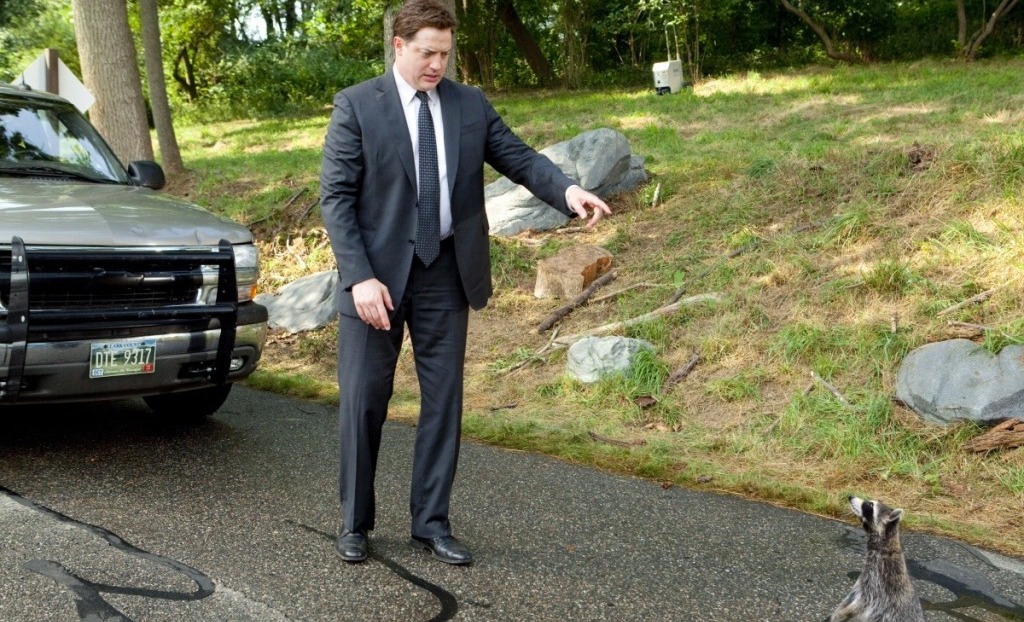
Like a tormented crack addict drawn back to the sweet soul kiss of a burnt pipe time and again despite full knowledge of the personal consequences, Brendan Fraser keeps attempting the lost art of the live-action cartoon. Forever positioning himself as Hollywood’s jester, Fraser pads up for another odyssey of slapstick and genital trauma in “Furry Vengeance,” an odious, chintzy, and soul-flattening promenade into sadistic wackiness. Fraser’s getting too old for this iffy pratfall business, and “Vengeance” attempts to help the hulking star out by ordering a procession of mischievous CG-enhanced animals to take care of the heavy lifting while Fraser works on his bug-eyed routine.
-
Film Review – The Human Centipede (First Sequence)

“The Human Centipede” isn’t a horror film, it’s an oozing block of pure shock value, begging on bleeding knees for audiences to find the material vile. It pushes buttons and dares the viewer to keep watching ghastly events unfold, while writer/director Tom Six kicks back satisfied, perhaps even aroused. To admit complete disgust with “Human Centipede” is exactly what the filmmaker wants; however, the picture commits an even greater sin, despite all the arm flailing and slosh of perversion: it’s a complete and unforgivable bore.
-
Film Review – Survival of the Dead

At 70 years of age, director George A. Romero has furiously worked the zombie genre down to a nub; his lauded achievement with the undead has allowed him such luxuries as a political platform, a steady source of income, and prime position in the film geek hall of fame. His legend firmly established, the bitter truth is that the “Dead” pictures are exceptionally inconsistent, despite commendable attempts to reshape the formula throughout the decades. “Survival of the Dead” is Romero’s sixth adventure with the brain-gobblers, and while more grounded than the misfire of 2008’s “Diary of the Dead,” the new picture reflects a filmmaker fully depleted of ideas, keeping the money train alive while clearly bereft of zombie direction.
-
Film Review – Boogie Woogie

“Boogie Woogie” doesn’t know if it’s here to satirize or indict the modern art scene, but it certainly loves to remain in the sinister gray area it creates. A comedic look at the whirlwind nature of the art world, the film is only sporadically humorous, faring better as a perceptive jab at the egos, libidos, and nitwit audacity of a subculture that’s founded in handcrafted miracles, yet prides itself on excesses of status and power.
-
Blu-ray Review – Avatar

In the 12 years since James Cameron last directed a feature film (a little art-house number called “Titanic,” heard of it?), much has changed in the growing field of special effects. His latest picture, “Avatar,” reflects a filmmaker who’s spent more time polishing his impressive new tools than scraping the rust off of his once extraordinary storytelling instincts. A gargantuan production of obscene technical achievement, “Avatar” is freakishly cold to the touch; the work of man who felt he had to leave a Godzilla-sized footprint on the face of cinema when all the public wanted was simply to have him back in the game he once dominated with regularity.
-
Film Review – The Losers
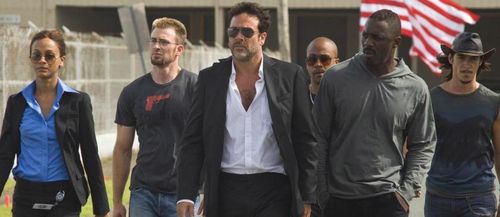
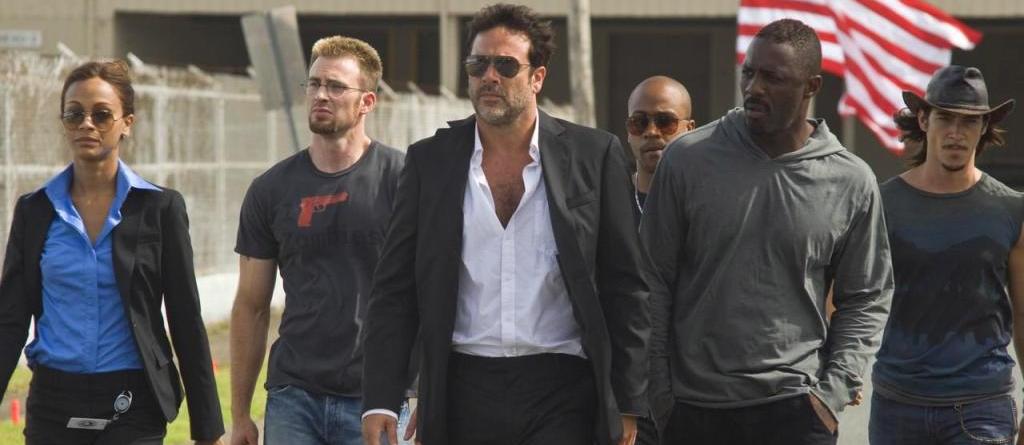
A hyper adaptation of the comic book series that ran from 2003 to 2006, “The Losers” makes a nice, loud impression on the big screen. A furious 90 minutes of supersized stunts, arch performances, and grandiose villainy, the picture is wild ride befitting its funny book origins. Just try to ignore the strained humor and the occasional Michael Bay move from director Sylvain White, and there’s a merry bit of mayhem waiting to entertain the pants right off you.
-
Film Review – Solitary Man
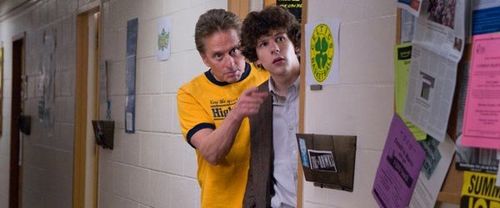
Reviewed at the 2010 Florida Film Festival
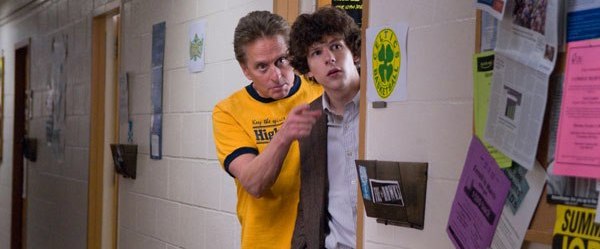
It’s possible that Michael Douglas is merely acting in “Solitary Man,” playing a womanizing smooth-talker facing his dire twilight years while the world seems to get younger and younger, perhaps out of spite. What clicks perfectly in the film is the underlying reality of Douglas’s performance, which shouldn’t be viewed as biographical, but let’s just say that I’m sure he found sections of the script uncomfortable. It’s a superb performance in a substantial drama of self-destruction, playing brilliantly off of Douglas’s bumpy life experience.
-
Film Review – The Back-Up Plan
On the plus side, Jennifer Lopez is the most appealing she’s been in quite some time in “The Back-Up Plan.” The negative side? Well, everything else about the film. Lacking any sort of engaging personality, the picture is a dreary, arduous romantic comedy that attempts to subvert the genre by positioning the payoff at the beginning of the tale. It’s a semi-clever move, but wasted on a dull, seriously humorless feature film.
-
Film Review – Exit Through the Gift Shop

Reviewed at the 2010 Florida Film Festival
I found it extremely tiring to accurately deduce what the documentary “Exit Through the Gift Shop” is attempting to communicate. Either it’s a statement of pure adulation for the street art movement, or it’s an overtly rascally commercial for the artists featured to further their need for self-promotion. It’s not a terribly enlightening film and much of it seems a touch on the staged side, interested more in idolmaking than direct questioning. Much like the art on display, “Exit Through the Gift Shop” is fleeting, bratty, and mechanical, showing little interest in surveying the foundation of a so-called revolution, instead trying to brand something that’s already come and gone.
-
Film Review – The Good, The Bad, The Weird

Chasing a dose of speed with a shot of Sergio Leone, the South Korean western “The Good, The Bad, The Weird” is an exaggerated, highly charged valentine to the Spaghetti Western. It’s a frenzied action movie, strangely seriocomic piece, and large-scale theme park stunt show all rolled into one bizarre oater, riding a unexpectedly epic arc of heroism and villainy (with all those wonderful gray areas in between) through a steady routine of violence and six-gun betrayal.
-
Film Review – Drones
Reviewed at the 2010 Florida Film Festival
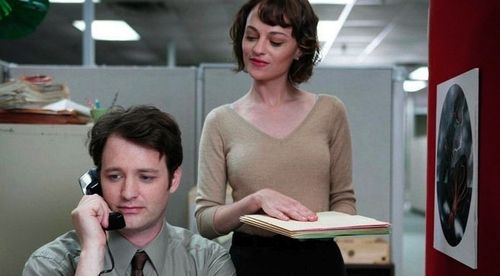
It’s ballsy to even attempt a workplace comedy after Mike Judge’s “Office Space” locked down the genre over a decade ago. To bring anything new or inviting to the subject, a screenplay would have to be ripe with ambition, sketching out brain-melting observations that do the monotony and grievance of cubical work proper justice. “Drones” has labored oddity. And that’s all it has, attempting to stretch out roughly 90 seconds of comedic ideas to over 90 minutes of film.
-
Film Review – A Shine of Rainbows

“A Shine of Rainbows” is a film trapped in amber. An Irish-flavored family distraction, the picture resembles a live-action Disney artifact from the 1950s, with its boundless enthusiasm for gentle adventuring, warm domestic bonding, and tragic turns of fate. While far from the most convincing source of matinee entertainment, it’s pleasing to find something not backed by an aggressive marketing campaign, focused on the plague of modern youth, or weighed down by bathroom humor.
-
Film Review – Disneynature’s Oceans

At this point, there are as many oceanic documentaries as there are stars in the sky, or perhaps fish in the sea. “Oceans” is the latest entry in the big bottomless blue sweepstakes and while it doesn’t necessarily redefine the genre, this Disneynature release is more artful and considered than its competition, permitting audiences a far more meditative take on the mysteries of the deep than the average educational film would allow.
-
Once is Always Enough – Returning to American Pie

Moviegoing in the sweltering summer of 1999 wasn’t just dominated by the likes of senior beard George Lucas and the introduction of his divisive, screen-hogging “Star Wars” prequels. There was another box office force less dependent on Jedis and action figures. Riding a staggering word-of-mouth wave that involved an exhaustive screening campaign on college campuses, “American Pie” rose to power mid-season, swelling into the year’s definitive sleeper smash. The picture launched a multitude of careers, grossed out sold-out showings, and singlehandedly resuscitated the teen hornball genre. “American Pie” was also a motion picture that I couldn’t stand after my initial viewing.









 BRIAN ORNDORF