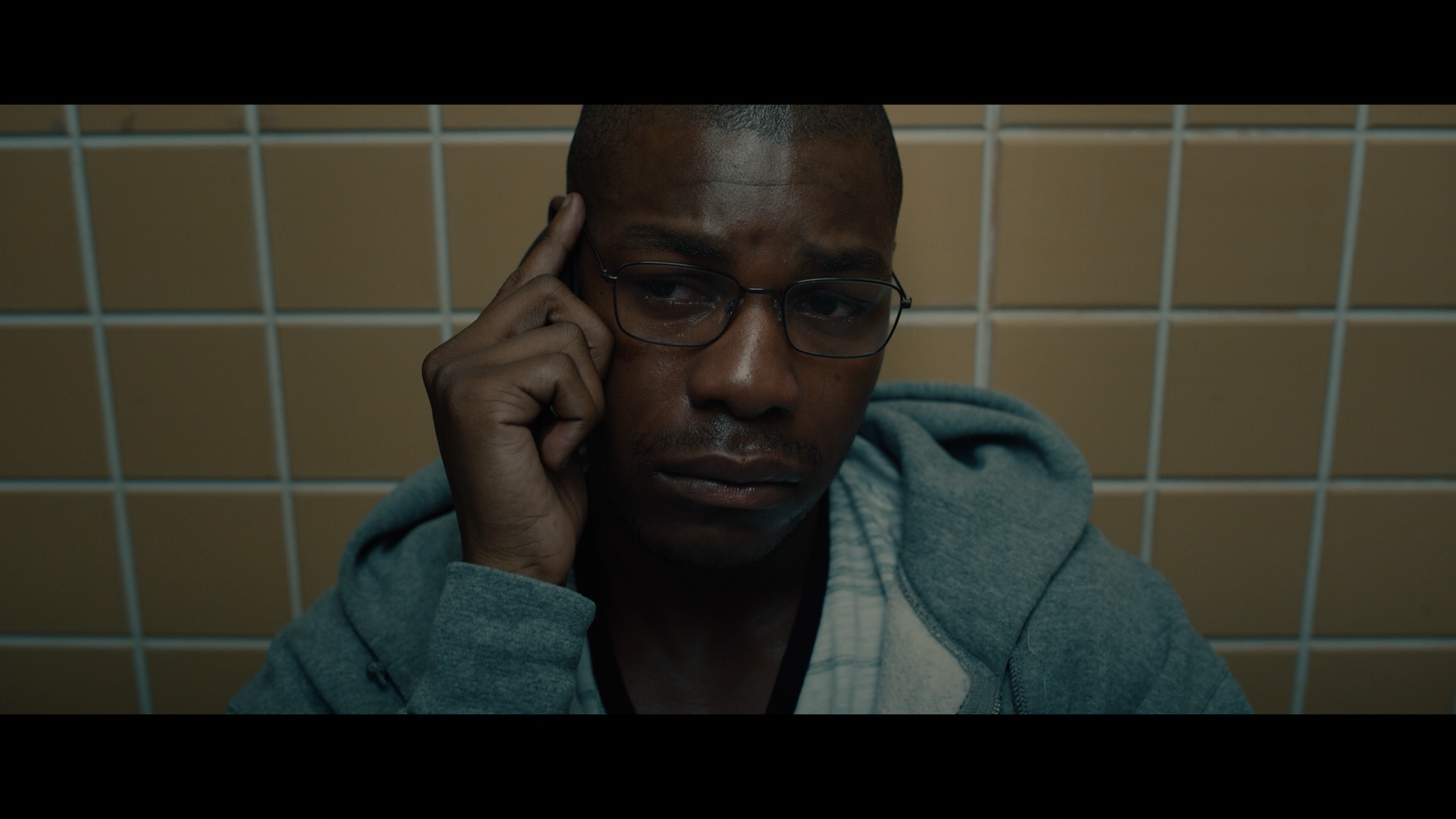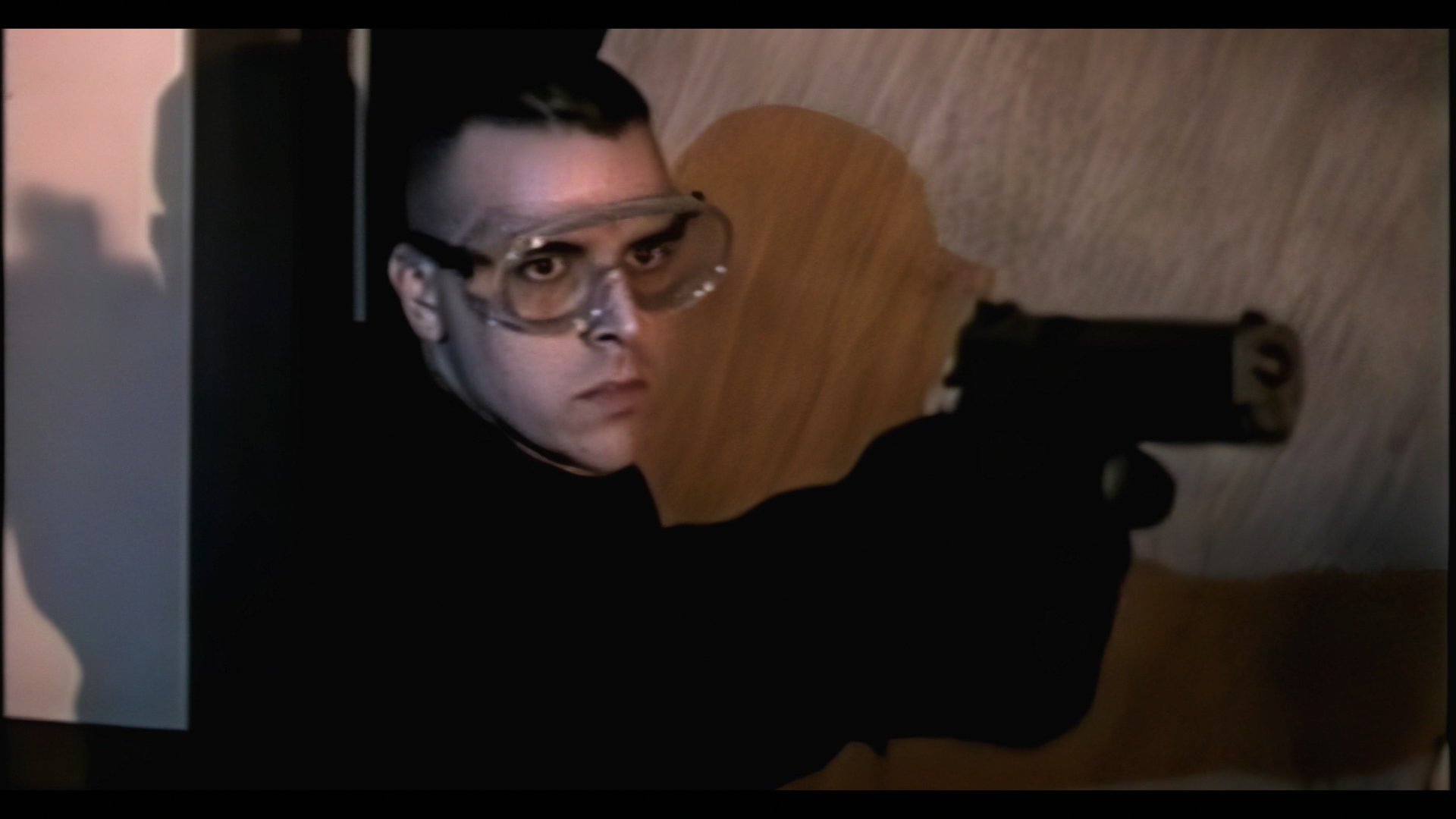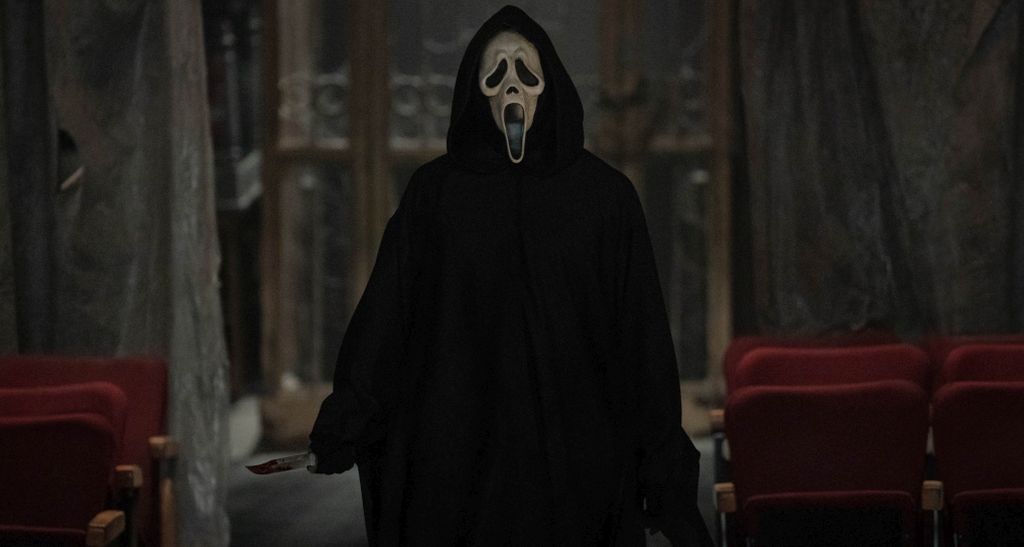
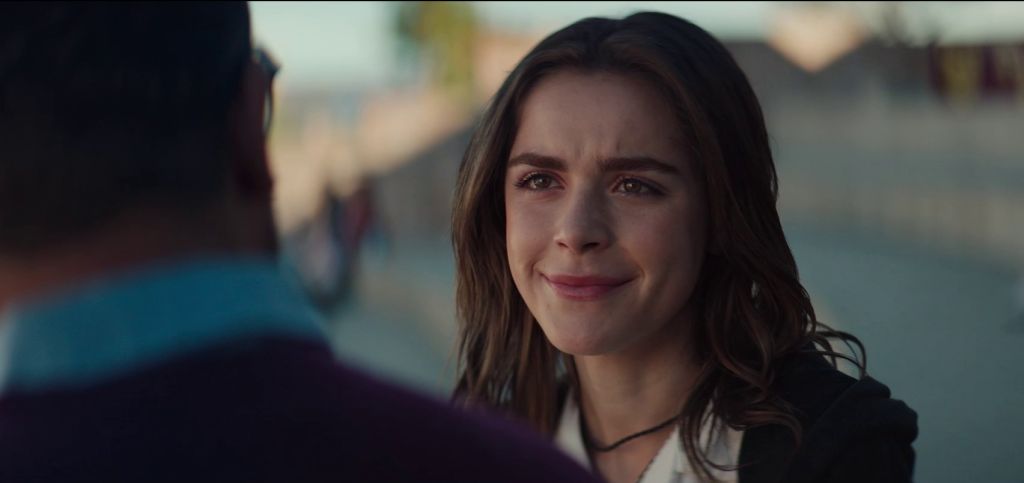
1975's "Rollerball" presents a future where corporations control the world, using their power to keep the public subservient through the use of propaganda and violent entertainment, often going to extremes to maintain authority. The feature is set in the year 2018, and it's really not far off from the real 2018, with screenwriter William Harrison (adapting his own short story) managing quite an impressive feat of prescient thinking, providing a vision of horror that's been somewhat realized in the decades since the picture's initial release. That's part of the appeal of "Rollerball," which digs into the terror of conformity and the liberation of awareness, tracking the lead character's awakening as a life of fame and fortune provided by corporate overlords is gradually revealed to be a prison, and one he's looking to escape. Harrison has a vivid imagination to offer, and director Norman Jewison provides passionate leadership with this Kubrick-ian take on a strange dystopia, generating an intriguing sense of intimidation and frustration as he carefully realizes a mental breakthrough. Read the rest at Blu-ray.com
-
Blu-ray Review – Voyage Into Space
For some, 1970's "Voyage Into Space" is pure nostalgia, as the feature repeatedly aired on television throughout the decade, becoming comfort food for kids fresh out of school. The picture is stitched together from a handful of episodes of "Johnny Sokko and his Flying Robot," a Japanese series that aired for 26 episodes in 1967 and 1968. The show walked through the experiences of a young boy suddenly in command of a gigantic, atomic- powered robot, asked to join a special squad dedicated to fighting alien invaders. "Voyage Into Space" does away with any dramatic connective tissue, simply covering the basics of Johnny's discovery and Earth's fight against massive monsters. It's a kaiju highlight reel, and for select viewers, that's all it should be. Read the rest at Blu-ray.com
-
Blu-ray Review – The Kid Brother
1987's "The Kid Brother" is a Japanese production from a French-Canadian director about an American boy. It's already an unusual picture, but the movie becomes even more interesting with its star, bringing young Kenny Easterday to the screen, showcasing his atypical life as a human without a lower half. Born with sacral agenesis, Kenny's legs and hips were amputated as a baby, forcing him to move around on his hands, which provides the central image and story for "The Kid Brother," which is a film about the making of a documentary, but also a drama about the wear and tear of family relationships. There's a lot to unpack in Claude Gagnon's endeavor, which is mostly interested in Kenny's experience, working with the amateur actor to detail a 13-year-old's processing of attention and independence. Read the rest at Blu-ray.com

-
Blu-ray Review – The Cornshukker
Writer/director Brando Snider wanted a cult-ready movie to call his own, bringing "The Cornshukker" to life in 1997. It's an extremely bizarre effort that's heavily influenced by the work of David Lynch and other masters of surreal cinema. Intent is there to melt minds with a display of weird imagery and random encounters, and for those who demand their cinema to be inscrutable, Snider's film is certainly something. I'm not sure what, exactly, but something. Read the rest at Blu-ray.com
-
Film Review – Mindcage
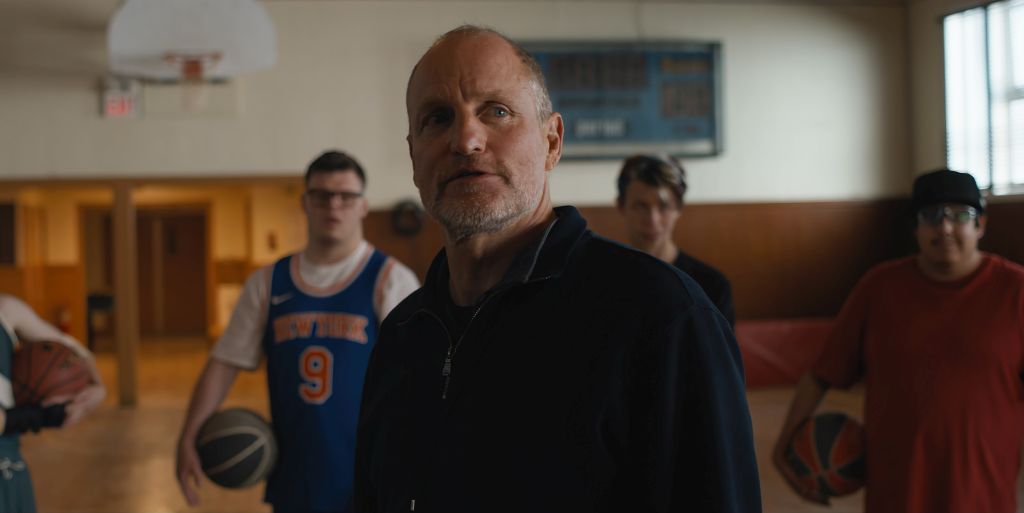
Screenwriter Reggie Keyohara III clearly enjoyed 1991’s “The Silence of the Lambs” so much, he decided to create his own version of the tale. However, instead of a cannibalistic madman behind bars helping a young investigator work through a disturbing case, there’s an artist whose specialty is creating disturbing imagery based on violent paintings. Unfortunately, “Mindcage” isn’t another chapter in the Hannibal Lecter saga, but something far more low-budget and limited in suspense, with director Mauro Borrelli challenged to generate creepiness with material that’s been done before, and much more successfully. “Mindcage” has John Malkovich, who would’ve made a sinister Lecter, but that’s about as far as it gets in terms of creative victory, with the writer’s ambition and concept of dark magic a bit too much for this B-movie to handle. Read the rest at Blu-ray.com
-
Film Review – Avatar: The Way of Water
In 2009, there was “Avatar,” which represented writer/director James Cameron’s follow-up to “Titanic,” the film that made box office history. Collecting influences from sci-fi books, movies, and indigenous life, Cameron merged high technology with basic storytelling, emerging with a feature that unexpectedly topped “Titanic,” becoming a phenomenon. “Avatar” was an amazing achievement in the world of visual effects, upping the game for 3D presentations and motion-capture, but it wasn’t the most stimulating offering of drama, as Cameron struggled with his dialogue and the cartoonishness of his characters. Amazingly, it’s been 13 years since the release of the original picture, and now Cameron returns with “Avatar: The Way of Water,” his long-awaited sequel, which increases cinematic power with extraordinary visuals, but the continuation doesn’t stray far from its predecessor, rehashing characterization and plot to reset the franchise for an extended adventure, with multiple sequels already on the way. Read the rest at Blu-ray.com
-
Film Review – High Heat
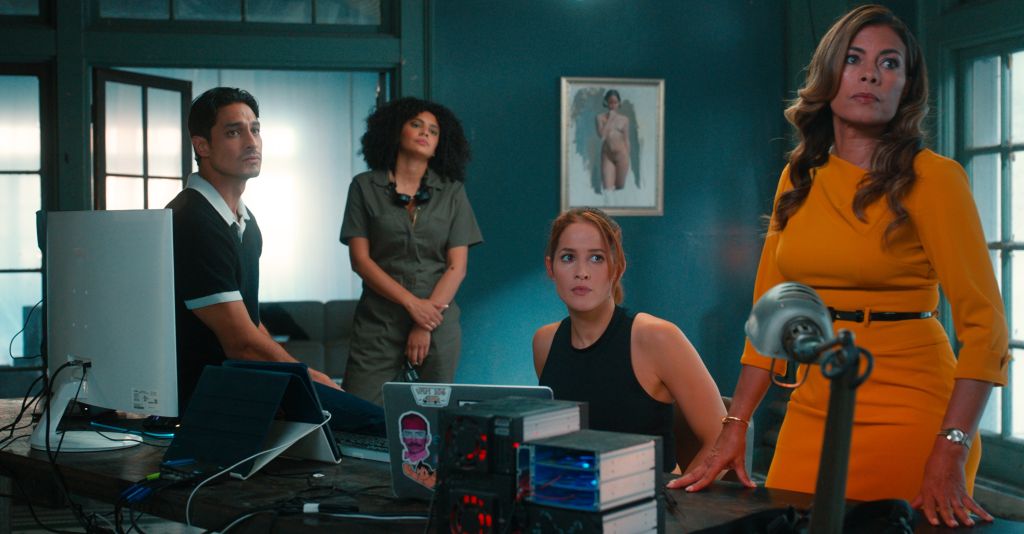
Writer James Pedersen (making his debut) offers a small-scale battle to the death with “High Heat,” taking viewers into a fancy restaurant where trouble develops for the main characters after hours. Pedersen creates a community of fractured personalities and arranges some itchy relationships to manage, working to build a sense of history and antagonism to best launch this milder action endeavor, which is something along the lines of “Die Hard” in a kitchen. There’s a sense of humor to keep the feature approachable, and while the screenplay struggles with the demands of exposition, Pedersen is putting in more of an effort than what’s typically offered for the genre, while director Zach Golden (“The Escape of Prisoner 614”) aims to maintain some momentum to the film, creating a few lively sequences of violence and intimidation, and he knows to keep the picture as short as possible. Read the rest at Blu-ray.com
-
Film Review – The Almond and the Seahorse
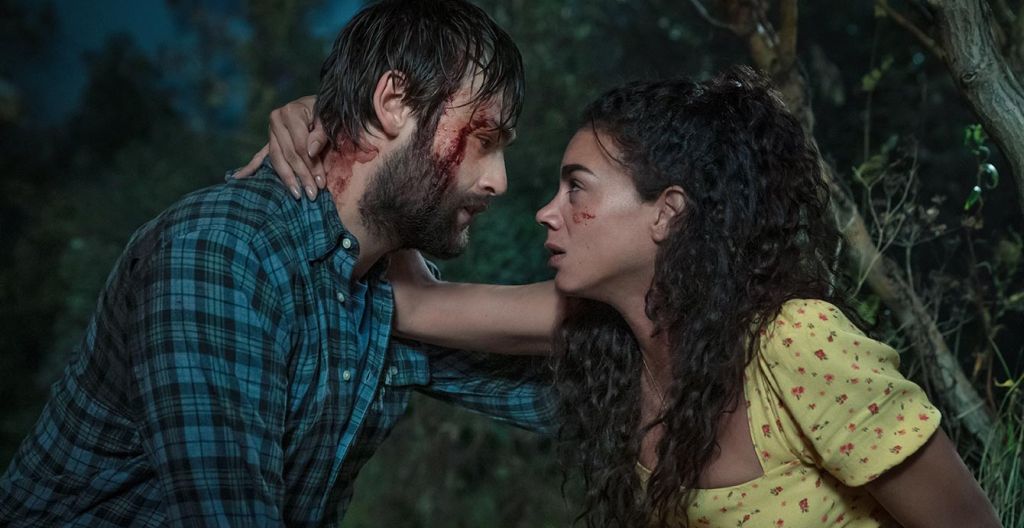
“The Almond and the Seahorse” takes a look at the world of traumatic brain injuries, which isn’t a topic that’s usually covered in films. It’s a personal story from Kaite O’Reilly, who adapts her play (with co-writer/co-director Celyn Jones), trying to bring such medical and emotional intimacies to the screen. The feature also marks a change of pace for co-star Rebel Wilson, who’s normally hired for wacky behaviors in silly movies, but now she’s ready for something more dramatic and challenging, trying to inhabit a character stuck in a dire situation of personal loss. “The Almond and the Seahorse” aims to be artistic and soulful, exploring levels of frustration involved with caretaking needs. At its most sincere and direct, the picture has unique power, but the material is also prone to bursts of melodrama, and relationships feel too underdeveloped at times, restraining the complex emotional journey of the material. Read the rest at Blu-ray.com
-
Film Review – The Apology
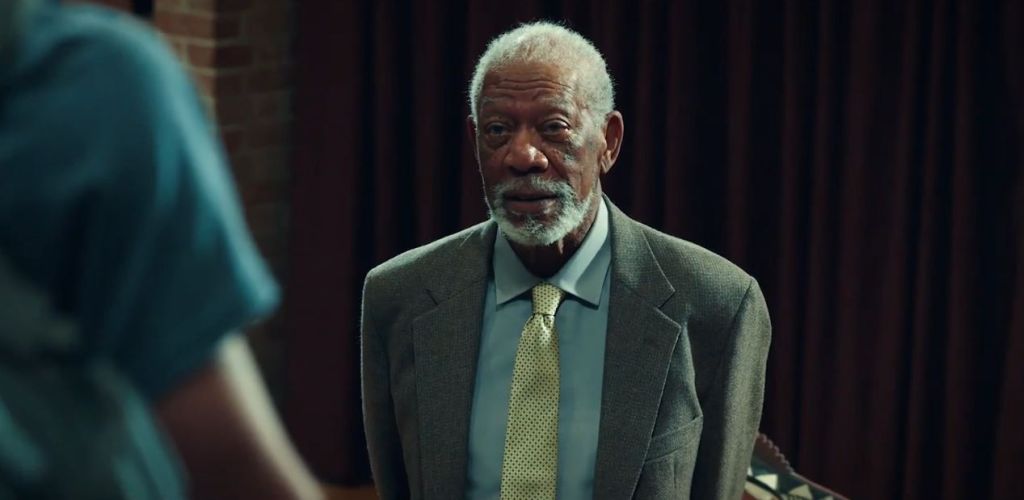
Making her feature-length debut as a writer/director is Alison Locke, and she picks quite a story to tell with “The Apology.” It’s a two-hander production that takes place over one night, in a single location, with stars Anna Gunn and Linus Roache gifted an entire movie to explore their characters and the strangely hostile situations these personalities are in. It’s a series of tight spaces, both literally and dramatically, for Locke to examine, working very hard to make what’s basically a short film into a satisfying, 90-minute-long viewing experience. Gunn and Roache are up to the challenge with “The Apology,” which opens with an unexpected reunion during the Christmas holiday and gradually devolves into an understanding of diseased minds and the crippling weight of guilt. It’s a solid endeavor with outstanding performances, and if you’re sensitive to spoilers, this is the place to stop reading, as any basic inspection of the picture has to detail a few of the screenplay’s turns. Read the rest at Blu-ray.com
-
Film Review – Nanny
“Nanny” is being marketed as something of a horror film, but it isn’t one. At least not in the traditional sense, with monsters in the dark and danger lurking all around. Writer/director Nikyatu Jusu only uses such imagery to amplify the main character’s headspace, examining the struggles of a Senegalese mother trying to earn money for a chance to reunite with her son, doing so by accepting work raising a different child. “Nanny” has its flashes of violence and a certain fear factor, but all of this noisiness tends to block the view of an interestingly spare but effective summary of employment exploitation when it comes to the immigrant experience. Genuine suspense is summoned in unusual ways, with Jusu showing more confidence with realism than symbolism, depicting an uncomfortable situation of denial while also managing the developing pain of a mother who can’t reach her own child. Read the rest at Blu-ray.com
-
Blu-ray Review – Natural Enemies
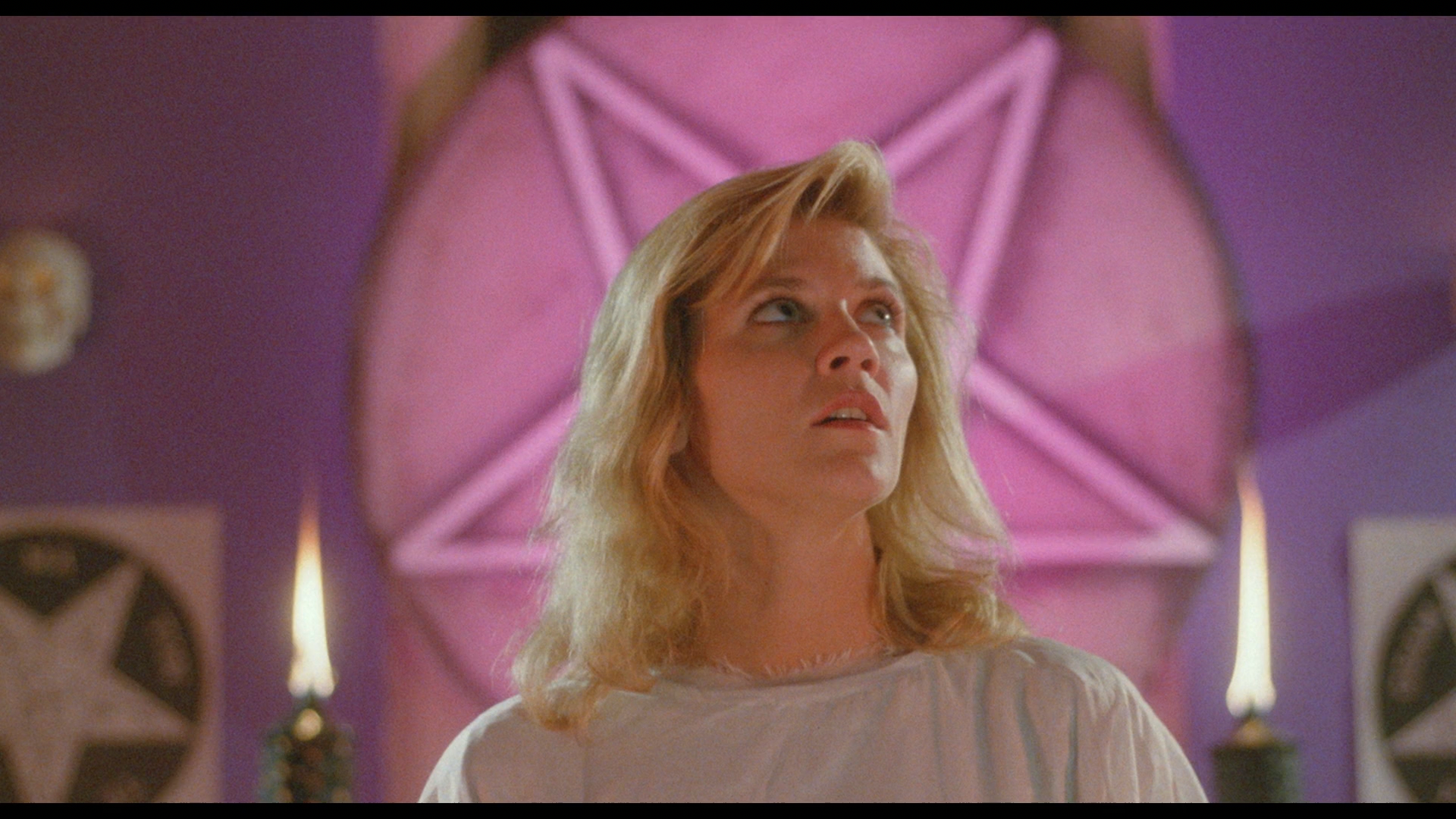
Director Jeff Kanew is perhaps best known as the helmer of 1984's "Revenge of the Nerds," creating a hit film about goofy underdogs trying to survive their college experience. Kanew was also responsible for 1986's "Tough Guys" and 1989's "Troop Beverly Hills," with the latter endeavor recently elevated to classic status by some viewers, becoming a beloved title. The helmer offered a light touch with vanilla entertainment, making pictures meant to reach a wide audience. However, during his formative years as a director, Kanew was much more interested in the bleakest material he could find. 1979's "Natural Enemies" is an adaptation of a Julius Horwitz novel, detailing the final day of a man preparing to murder his wife and three kids before committing suicide. Where's Booger when you need him? Instead, there's Hal Holbrook, who delivers a deeply committed lead performance in "Natural Enemies," willing to go to frightening levels of despair and confusion, supporting a somewhat dry but intriguing viewing experience that deals directly with the horrors of being alive. Read the rest at Blu-ray.com
-
Blu-ray Review – Streets of Death
In 1986, writer/director Jeff Hathcock endeavored to make a crime story with "Night Ripper," exploring the developing nightmare of a madman targeting female victims, with the serial killer causing panic in the big city, putting cops and average citizens on the hunt to prevent additional loss of life. To deal with a limited budget and interest in a traditional Hollywood approach, Hathcock elected to make the movie a shot-on-video production, which doesn't pair well with noir-ish touches and suspenseful intent. Registering the experience as a win, Hathcock returns with 1988's "Streets of Death," which is also about a serial killer (two of them this time) targeting female victims, causing panic in the big city, putting cops and average citizens on the hunt to prevent additional loss of life. The helmer isn't afraid to repeat himself with the effort, which is also an SOV offering of stiff acting and iffy creative achievements. Hathcock strives to construct a puzzle of characters and motivations, dealing openly with exploitation interests, but "Streets of Death" isn't a stunning tale of procedure and torture, as the amateurishness of it all tends to wear down potential audience involvement. Read the rest at Blu-ray.com
-
Blu-ray Review – After Blue
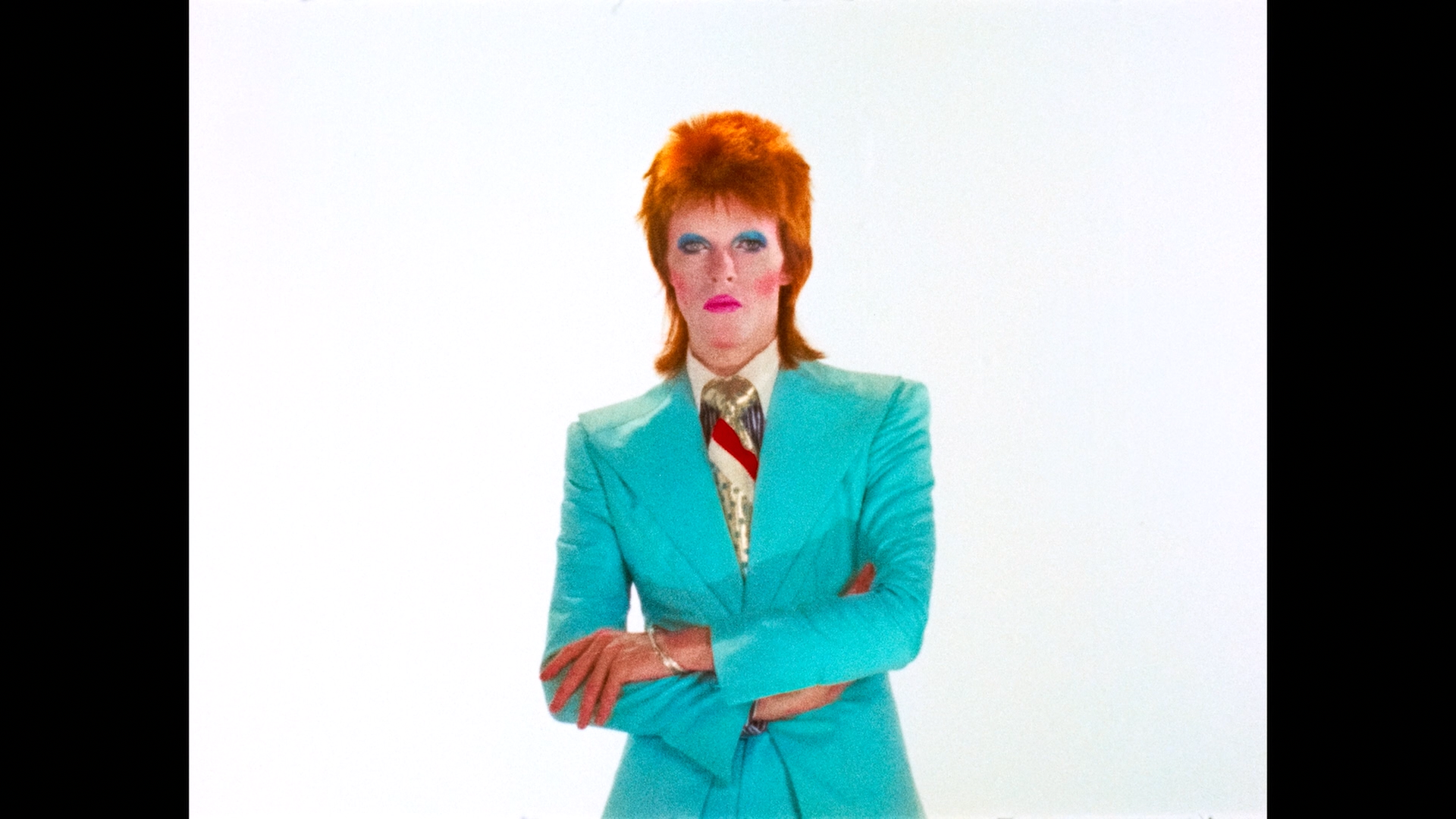
After 2017's "The Wild Boys," there was some curiosity from cineastes to know what director Bertrand Mandico was going to come up with next. His first foray into dreamlike cinema made him a favorite for some, and, it turns out, he's not ready to move on, continuing with his avant-garde ways with "After Blue." A case could be made for shameless repetition, but Mandico's fan base probably doesn't see it that way, with the helmer once again arranging an odyssey into artful filmmaking, newly inspired to explore life on an alien planet while paying tribute to western tales of survival. "After Blue" doesn't have an entry point when it comes to storytelling, but that appears to be the idea here, with Mandico once again trying to stun with his intense visuals and love for the unknown. Read the rest at Blu-ray.com
-
Blu-ray Review – You Can’t Kill Meme
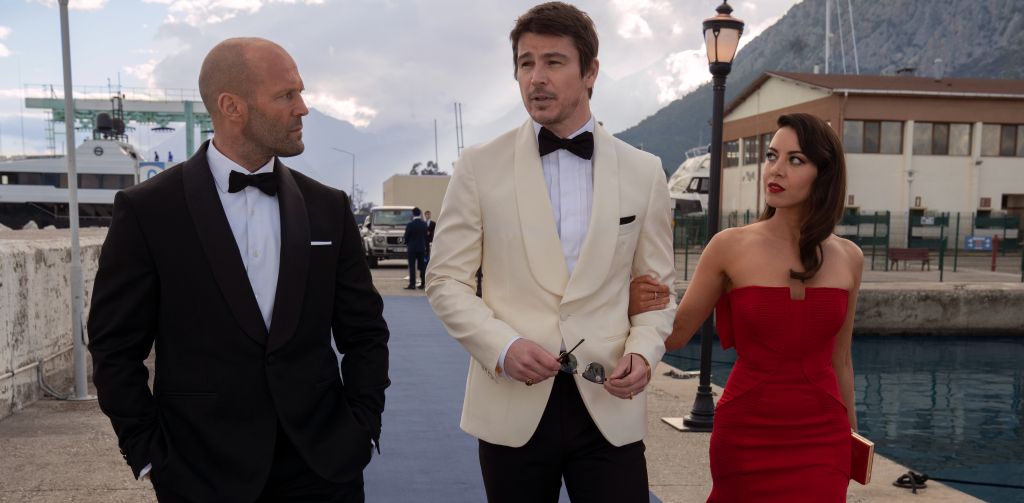
A documentary is meant to be an educational experience. It typically presents a topic, working to bring new ideas to viewers perhaps unaware of the subject, delivering information to help the audience best appreciate the analysis constructed by the filmmaker. 2021's "You Can't Kill Meme" doesn't offer such development, with director Hayley Garrigus (making her helming debut) looking to explore the world of "memetic magic," only doing so without much concern for those new to a universe of manipulation and mental illness. It's the rare documentary where one has to fully understand the details of the subject to understand the documentary. "You Can't Kill Meme" is niche work from Garrigus, who doesn't have a master plan for the endeavor, bouncing around random topics and meeting various personalities, attempting to be eloquent about the ways of chaos without really putting in the effort to craft a cohesive and welcoming picture. Read the rest at Blu-ray.com
-
Film Review – Detective Knight: Redemption
“Detective Knight: Rogue” was released seven weeks ago. It’s okay if you don’t remember it, few people actually saw it, but it marked the beginning of a trilogy from writers Corey Large and Edward John Drake (who also directs), who don’t have an overall arc to follow over three features, but they have titles, with “Detective Knight: Redemption” hoping to continue the story of the eponymous cop and his hazily defined reason for rage. It seems the three movies were all shot at the same time, trying to take advantage of star Bruce Willis’s limited working capabilities due to his medical condition, and he’s back, kind of, for “Redemption,” with his role basically amounting to an extended cameo. “Rogue” was a rough sit, with Drake struggling to tell a coherent story and manage dismal action sequences, and the same vibe is present in the sequel, which offers a slightly smaller pool of crooks and cops, but shows no creative spark, turning to pure cliché to get by. Read the rest at Blu-ray.com

-
Film Review – Night at the Museum: Kahmunrah Rises Again
With box office grosses trending downward for the “Night at the Museum” live-action series, the franchise was put to bed after 2014’s “Secret of the Tomb,” with producers giving the brand name a much needed rest. Rethinking the core appeal of the material, “Night at the Museum: Kahmunrah Rises Again” tries to restart the premise with an animated take, reimagining a building populated with living statues with more visual and comedic flexibility. Keeping the budget down is certainly a concern for the endeavor, but “Kahmunrah Rises Again” is a breezy adventure with these characters and their addiction to overnight chaos, with director Matt Danner (“Muppet Babies,” “Legend of the Three Caballeros”) aiming to make a fun ride for younger viewers. The helmer gives the target demographic what they want, and while the feature is no epic, often too cartoonish, it loses the obvious fatigue that made “Secret of the Tomb” a chore to sit through. Read the rest at Blu-ray.com
-
Film Review – It’s a Wonderful Binge
2020’s “The Binge” had potential. It was a comedic take on “The Purge,” only instead of unimaginable violence allowed across the country for a short period of time, the feature focused on drugs made legal for citizens looking to go crazy for one night. Screenwriter Jordan VanDina had a chance to create a rollicking movie about the wildness of such freedom, and “The Binge” got halfway there, helped along by co-star Vince Vaughn, who worked to make his moments count in a picture that tried to get by on poorly imagined raunchiness. VanDina returns to his creation for a Vaughn-less “It’s a Wonderful Binge,” a sequel nobody asked for but the writer is happy to deliver, and he's newly promoted to the director’s chair, overseeing the next round of binge-tastic shenanigans. The first endeavor felt like a missed opportunity, while the follow-up is a torturous viewing experience, lacking even basic cinematic functions as VanDina lurches from one unfunny, borderline unfinished scene to the next. “The Purge,” with all of its death, destruction, and excruciating acting is actually funnier than “It’s a Wonderful Binge.” Read the rest at Blu-ray.com
-
Film Review – Empire of Light
Three years ago, director Sam Mendes attempted to recreate the madness of war with “1917,” using filmmaking tricks and a large budget to immerse the audience in violence and panic. It was an epic picture that attempted to overwhelm viewers with sound and visuals, capturing a specific sense of confusion. Mendes goes much smaller for his follow-up but largely remains interested in human psychology, offering a more internalized tale of instability in “Empire of Light,” which examines the pains of mental illness and the power of connection. Mendes goes solo in the screenwriting department, and while his focus is on characters and their issues, he’s also inspecting the power of cinema in other ways, setting the story at a movie palace reaching the end of its lifespan. “Empire of Light” is unwieldy and a bit melodramatic at times, but it does retain sharp technical achievements and performances that capture what the helmer is looking for, creating sensitive moments as life carries people in different directions. Read the rest at Blu-ray.com
-
Film Review – Something from Tiffany’s
“Something from Tiffany’s” isn’t explicitly a Christmas movie, but it does take place during the holiday season, with the production determined to set a cozy mood of romance and connections in New York City. It’s not a Hallmark Channel endeavor either, with the picture an adaptation of a 2011 Melissa Hill book, giving screenwriter Tamara Chestna (“Moxie”) a chance to approach a tale of mistakes and misunderstandings without being solely focused on vanilla experiences. “Something from Tiffany’s” has a premise straight out of a sitcom, but it doesn’t play exactly like one, and while director Daryl Wein (“Lola Versus”) is tasked with creating a soft film, he fights to preserve as much character and feeling as possible with this type of entertainment. It’s not something that raises the bar when it comes to cinematic achievements, but it hopes to be a bit more honest about relationship complications and a tad less robotic than basic cable offerings. Read the rest at Blu-ray.com
-
Film Review – The Mean One
Copyright laws are a funny thing, and they’re about to get funnier in a hurry. Beloved characters from books and movies are being repurposed for horror entertainment, and as the world waits for whatever “Winnie-the-Pooh: Blood and Honey” has to offer, there’s “The Mean One” to tide them over. It’s a take on Dr. Suess’s “How the Grinch Stole Christmas,” but instead of pulling ideas from the beloved book, screenwriters Finn and Flip Kobler take most of their inspiration from Ron Howard’s 2000 screen adaptation, which starred Jim Carrey as the Grinch. “The Mean One” can’t afford to hire Carrey and it can’t deal with lawsuits, playing a careful game of mimicry with its tale of a monster in a mountain who hates everything about Christmas. However, instead of planning a heist, this green ghoul is ready to kill. “The Mean One” is a low-budget offering from director Steven LaMorte, who doesn’t have a lot to work with here beyond initial outrageousness. It’s a seasonal slaughterama, but also painfully restricted by monetary limitations, feeling like a cheap quickie when it had the potential to be supremely weird. Read the rest at Blu-ray.com